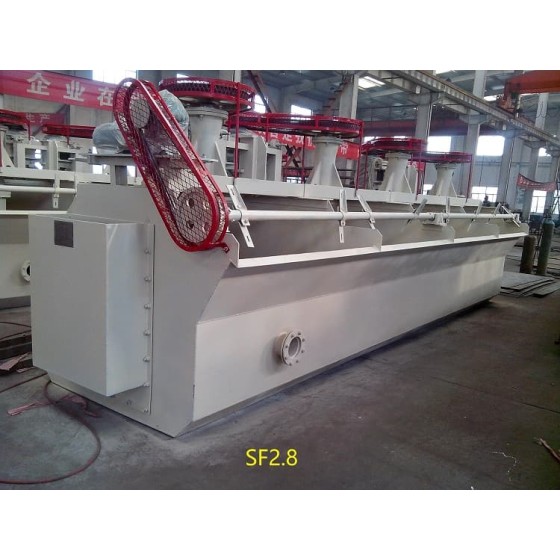
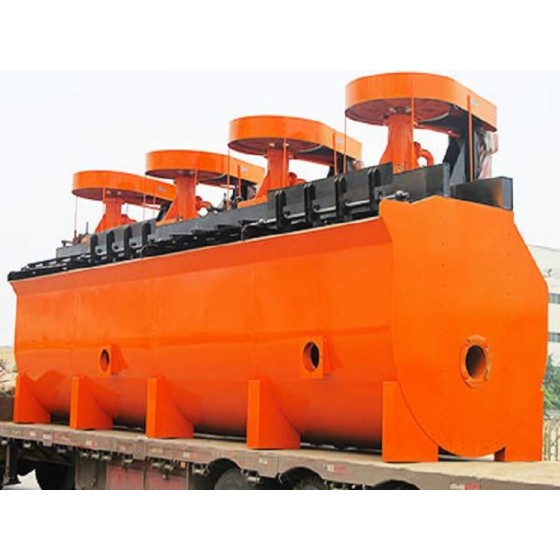
Heavy mineral sands (HMS) processing plant solution (gravity + magnetic + electrostatic): Heavy mineral sands (HMS) are a complex alluvial deposit type containing a mixture of high-value minerals — ilmenite, rutile, zircon and monazite. Because these minerals are already liberated in nature but occur mixed in varying proportions, their processing requires a highly flexible, versatile flowsheet.
GravityMineral supplies an efficient modular HMS processing plant built around "washing + gravity upgrading + magnetic separation + electrostatic separation". By exploiting the pronounced differences in density, magnetic susceptibility and conductivity between the minerals, GravityMineral's turnkey EPC solution achieves efficient recovery and purification of all valuable heavy sands — with very high recovery while significantly reducing capital investment and operating cost (OPEX).
What Are Heavy Mineral Sands (HMS)?
Heavy mineral sands (internationally abbreviated HMS) are alluvial deposits formed by long-term river or wave action, transport and deposition. They host high-density valuable minerals such as ilmenite (density about 4.5 g/cm³), rutile and zircon (about 4.6 g/cm³). Compared with ordinary silica sand (about 2.6 g/cm³), HMS offers a very large density contrast, which makes gravity separation the most economical and efficient pre-concentration method.
The mineral assemblage in HMS is complex and often includes magnetite and garnet. In industry terms, the washing and gravity section is the wet concentrator plant (WCP), and the dry magnetic and electrostatic section is the mineral separation plant (MSP) — together they form a complete mineral sands processing plant. GravityMineral's standard HMS beneficiation process logic is: wash and deslime first to remove clay interference, then upgrade by density in spiral concentrators and shaking tables, and finally complete deep separation in magnetic and electrostatic stages according to magnetic susceptibility and conductivity.
20 yearsFocused on mineral processing equipment manufacturing
50+ countriesHMS processing plants exported and commissioned
500+ projectsGlobal mineral processing project experience base
35%China market share in gravity separation equipment
HMS Extraction Flowsheet
GravityMineral's modular mineral sands processing plant is designed to handle large volumes of raw sand. Stage 1 is the wet concentrator plant (WCP), where washing and gravity separation reject the worthless silica quickly; stage 3 is the mineral separation plant (MSP), where dry magnetic and electrostatic separation complete the final upgrading into saleable ilmenite, zircon, rutile and monazite products.
Stage 1: Washing and Screening
Thorough desliming is essential to prevent clay from interfering with gravity separation.
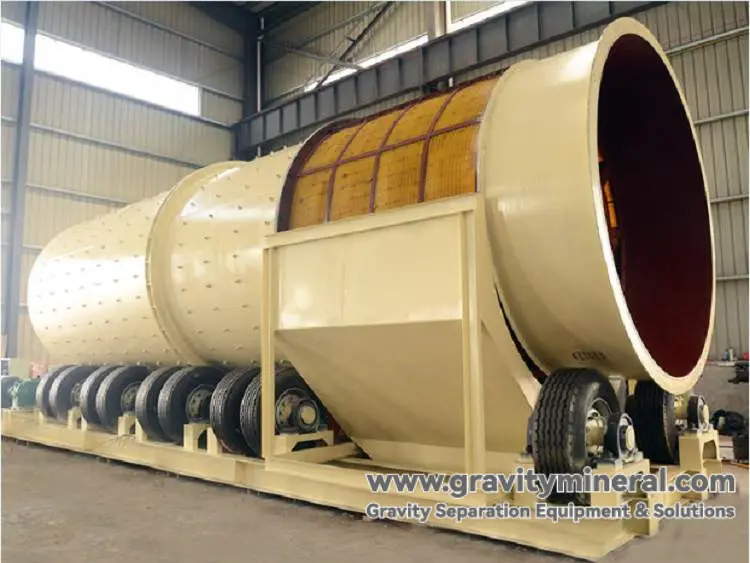
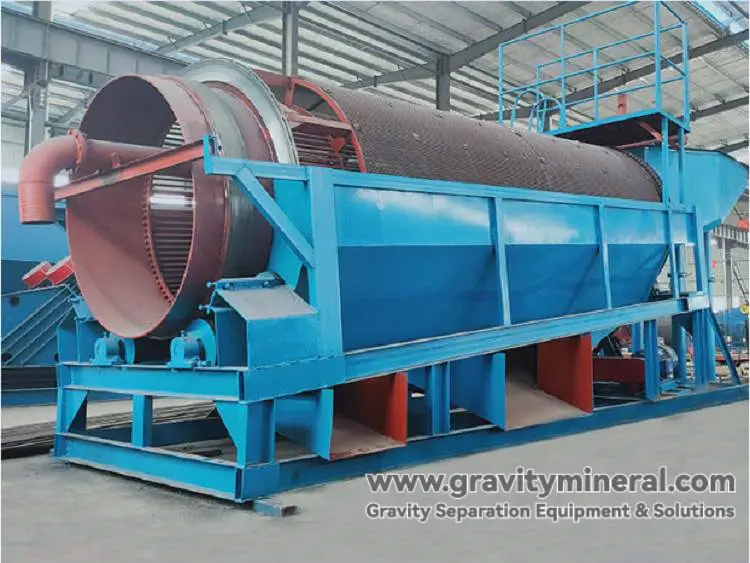
- Rotary washing: ore is fed evenly from the hopper into a rotary scrubber fitted with high-pressure water jets, effectively breaking down clay lumps and removing fine slimes and organic debris.
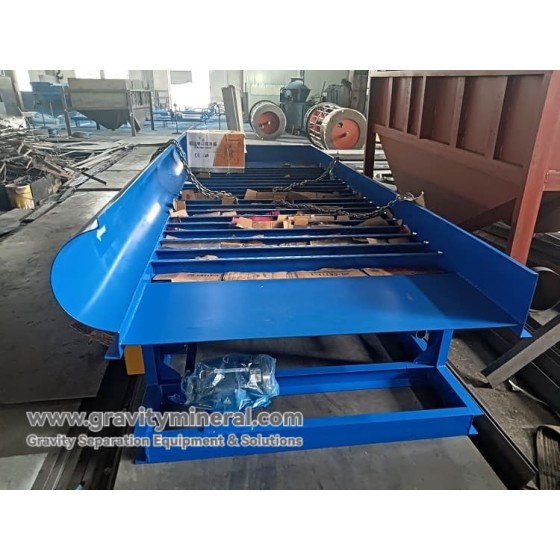
- Classification: an optional vibrating screen classifies the washed material (for example +2 mm, 2–0.5 mm, −0.5 mm) so downstream equipment receives a precise size range.
Stage 2: Gravity Separation
This stage exploits the pronounced density contrast between heavy minerals (zircon 4.6 g/cm³, ilmenite 4.5 g/cm³) and light silica sand (2.6 g/cm³).
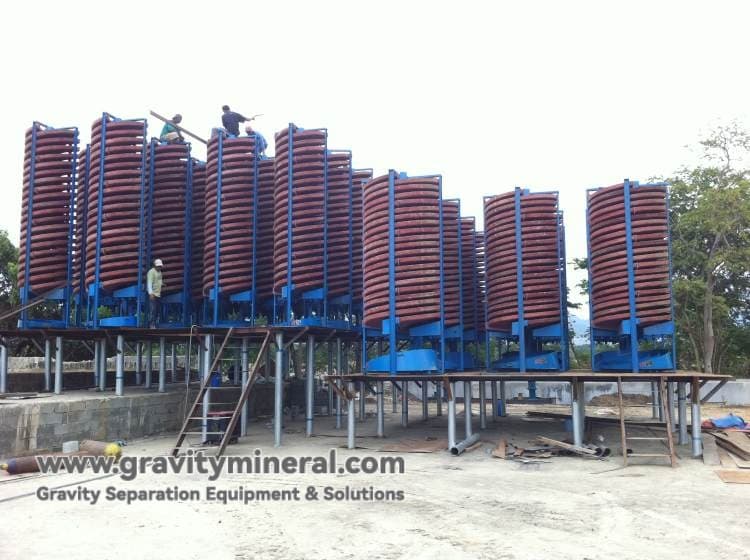
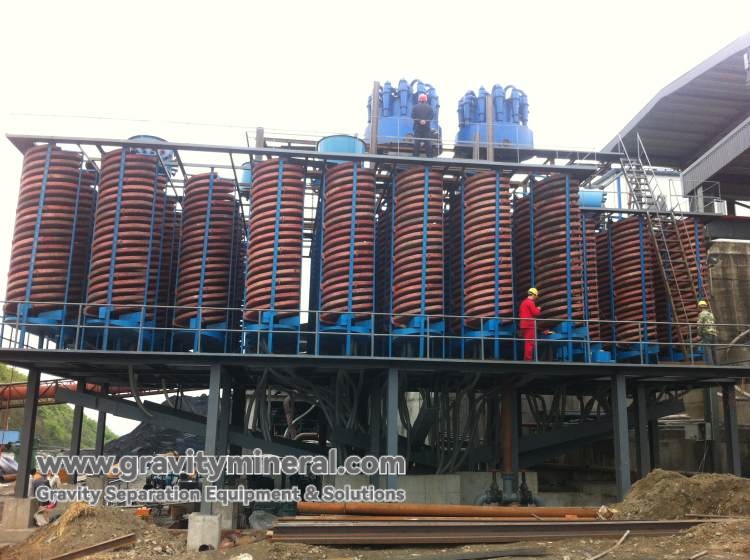
- Spiral roughing: the washed fine sand enters FRP spiral concentrators for roughing and scavenging. The spirals reject silica while recovering more than 80% of the heavy minerals.
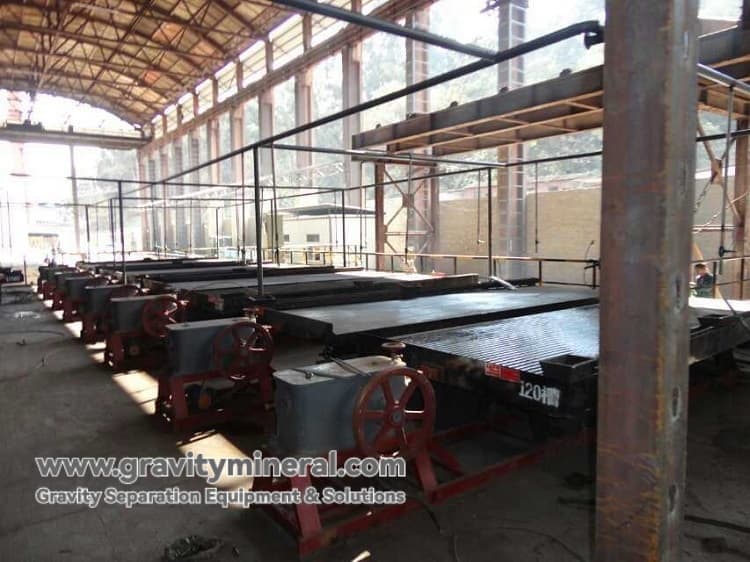
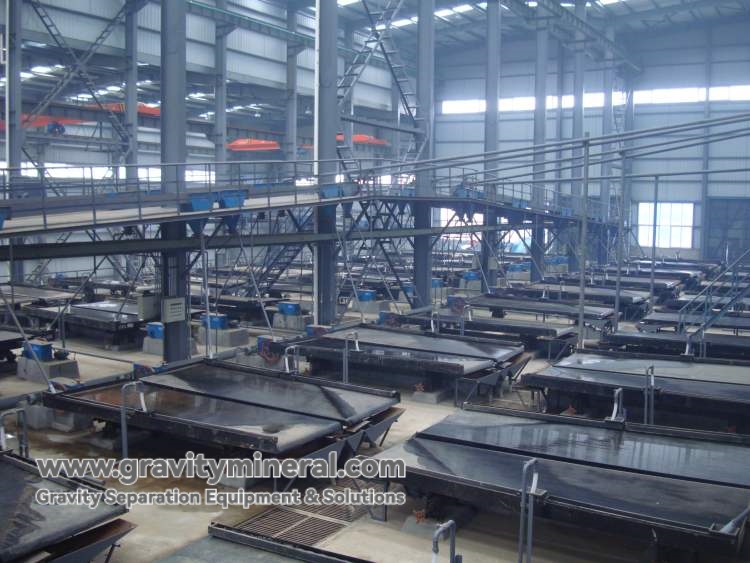
- Shaking tables: the spiral concentrate is fed to 6-S shaking tables to raise the grade further and begin the visible separation of the different heavy mineral bands.
Stage 3: Magnetic and Electrostatic Separation (Deep Separation)
With the silica removed, the remaining mixed heavy sand must be separated by magnetic and conductivity contrasts. This is typically the decisive stage in an HMS plant for producing final concentrates.
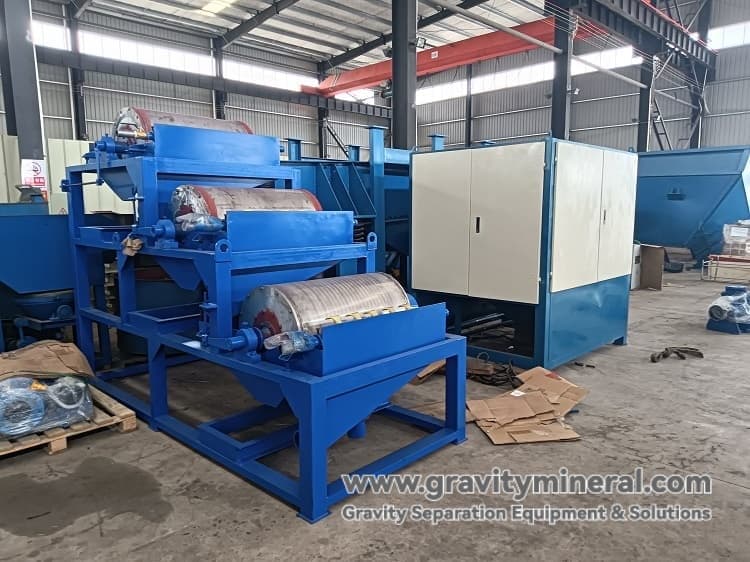
- Wet magnetic separation: the gravity concentrate first passes through a wet magnetic separator, giving an initial split between strongly magnetic minerals (ilmenite, magnetite) and weakly magnetic / non-magnetic minerals (monazite, garnet, zircon, rutile).
- Drying: before dry separation, an indirect rotary dryer (80–120 °C) safely dewaters and dries the material, preventing mineral oxidation and delivering specification feed for dry magnetic and electrostatic separation.
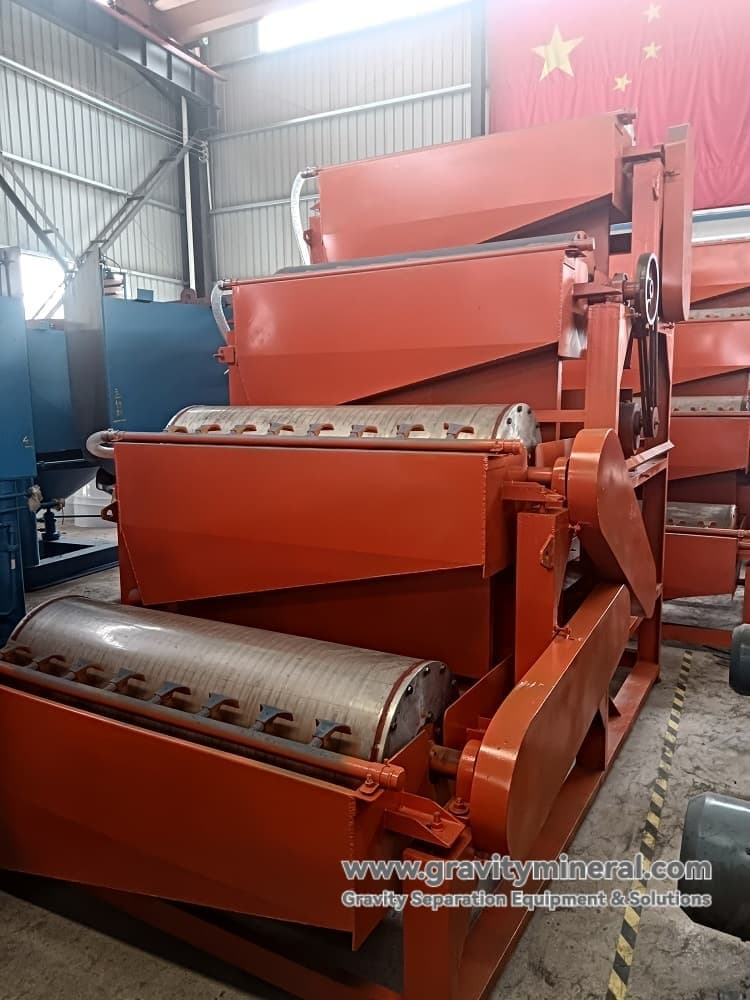
- Dry magnetic separation: the dried material enters a dry magnetic separator to remove residual magnetic impurities and split the stream into groups.
- Electrostatic separation: the non-magnetic material enters a high-tension electrostatic separator or plate-type electrostatic separator. Using the conductivity contrast, conductive rutile is completely separated from non-conductive zircon.
Core Equipment Configuration for an HMS Processing Plant
The challenge in a heavy mineral sands plant lies in equipment wear resistance, correct staging of the gravity circuit and precise control of magnetic and electrostatic field intensity. The table below lists the core equipment and duty stations used in an HMS processing plant, mapped to the wet concentrator plant (WCP) and mineral separation plant (MSP) sections.
| Process stage |
Main equipment |
Technical features |
| Ore washing |
Rotary scrubber and trommel screen |
Wear-resistant rubber lining; efficient clay breakdown (20–300 t/h). |
| Gravity roughing |
FRP spiral concentrator |
Corrosion-resistant; high capacity and efficient separation with no power input (10–50 t/h). |
| Gravity cleaning |
6-S shaking table |
Fibreglass deck, adjustable stroke, high precision (0.5–2 t/h). |
| Wet magnetic separation |
Wet magnetic separator |
Treats slurry; adjustable field intensity; separates strongly magnetic ilmenite (5–30 t/h). |
| Drying and dewatering |
Dryer |
Hot-air circulation, energy-efficient, prevents oxidation, prepares feed for dry separation (5–20 t/h). |
| Dry magnetic separation |
Dry magnetic separator |
Treats dry material; further purification and grouping; removes residual magnetic gangue. |
| Electrostatic separation |
High-tension electrostatic separator / plate-type electrostatic separator |
Uses conductivity contrast to separate conductive rutile from non-conductive zircon. |
HMS Plant Target Indicators and System Advantages
General technical capability
- Plant capacity: 20 to 600 t/d (fully modular and customisable).
- Ilmenite product: TiO₂ ≥ 48%
- Zircon product: ZrO₂ ≥ 65%
- Rutile product: TiO₂ ≥ 90%
- Monazite product: REO ≥ 55%
System advantages
- Flexible configuration: modular design lets you adjust the gravity, magnetic and electrostatic equipment set as the mineral composition of the deposit changes.
- Economical investment: a highly streamlined flowsheet with low CAPEX and OPEX (typically 30–40% lower than an all-flotation route).
- Green production: 100% physical separation (gravity + magnetic + electrostatic) with no chemical reagents; wash water can be safely recirculated.
Why Build Your HMS Plant with GravityMineral
HMS projects typically face shifting mineral composition, difficult fine-particle recovery and strict impurity limits. The mineral processing industry does not lack equipment — what it lacks is a partner that understands gravity separation and also manufactures magnetic and electrostatic equipment, and can make sense of a complex mineral assemblage.
| Common problem |
GravityMineral's solution |
| Complex mineral composition that no single process can fully recover |
A modular gravity + magnetic + electrostatic circuit that separates stepwise by density, magnetic susceptibility and conductivity, producing several concentrates in one pass. |
| Wrong gravity staging causes coarse loss to tailings and fine losses |
Process design is done in-house; spiral roughing plus table cleaning are staged to ensure efficient recovery across the full size range. |
| Equipment wears out or corrodes quickly in saline, humid beach conditions |
Core equipment is built at our own bases; spiral concentrators use FRP with a corundum lining — wear-resistant and corrosion-resistant for harsh conditions. |
| Design institute drawings and equipment supply are disconnected, so interfaces mismatch |
Equipment manufacturing, flowsheet design and on-site commissioning sit within one closed-loop team — the interfaces never clash. |
- 20 years focused on gravity separation: two decades of building spiral concentrators, shaking tables and jigs — which equipment suits which ore condition, which flowsheet suits which size fraction, all backed by retrievable historical experience.
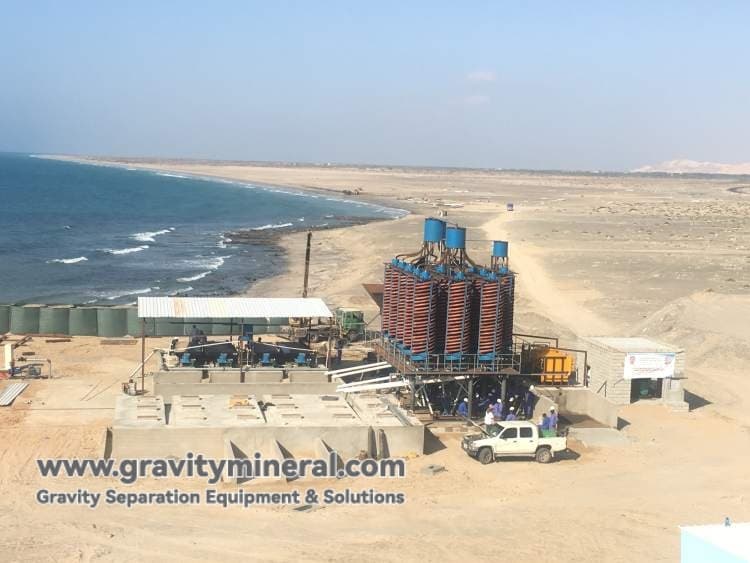
- 50+ countries, 500+ global projects: Southeast Asian beach placers, Australian heavy mineral sands and African alluvial gold river flats are the best test of equipment reliability and adaptability.
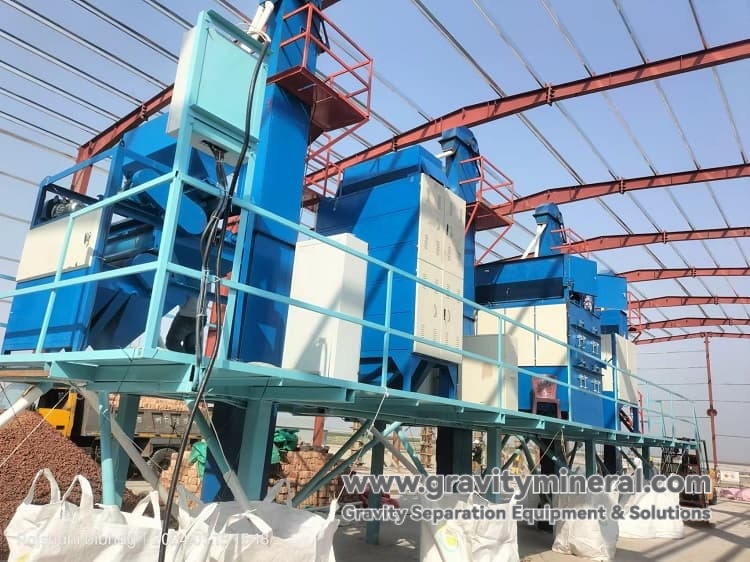
- Full gravity / magnetic / electrostatic coverage: for HMS plants, GravityMineral supplies not only gravity roughing and upgrading, but also deep-cleaning equipment such as dryers, dry magnetic separators, high-tension electrostatic separators and plate-type electrostatic separators.
- Six official credentials: ISO9001, S-certified supplier, National High-Tech Enterprise, Jiangxi Provincial SRDI (specialised, refined, distinctive and innovative) SME, "Contract-Honoring and Credit-Worthy AA Enterprise", and "Major Taxpayer".
HMS Processing Plant Price and Investment Reference
There is no standard price for an HMS processing plant — for the same throughput, differences in the target mineral assemblage, degree of liberation and site conditions can change the equipment configuration and capital cost considerably. GravityMineral does not quote "paper prices" detached from the ore; instead we cost the full picture against the following structure:
- Equipment investment: washing stage (scrubber / trommel screen), roughing stage (spiral concentrators), cleaning stage (shaking tables), magnetic and electrostatic stage (wet / dry magnetic separators, electrostatic separators) and dewatering and drying stage. Modular design allows staged investment to suit your budget.
- Free process design: flowsheet design, equipment selection, plant layout and civil works condition drawings are completed by GravityMineral's in-house design team — no external design institute, saving hundreds of thousands of dollars on medium and large projects.
- Civil works and installation labour: civil construction and general installation labour are organised locally by the client, with GravityMineral engineers providing on-site technical supervision — saving the airfares, visas, accommodation and high day rates of sending a domestic crew overseas.
- Operating cost (OPEX): zero reagents and no chemicals in the gravity stage — compared with an all-flotation route, the combined gravity–magnetic–electrostatic circuit typically cuts operating cost by 30–40%; power, water and wear parts are the main expenses.
- Lead time and funding rhythm: manufacture of core standard equipment takes about 40–60 days; a full EPC turnkey project typically takes 7–12 months from contract effective date to reaching production targets.
Tell GravityMineral your ore type, feed grade, target throughput (tonnes per hour), feed size and site conditions, and our engineers will draw on a 500+ global project database to issue a transparent equipment selection list and quotation.
From Process Design to Production Targets: GravityMineral's Service Workflow
GravityMineral does more than sell equipment: we provide a full-cycle service covering mineral analysis, flowsheet design, equipment manufacturing and on-site installation and commissioning. An HMS project typically advances through the following milestones:
- Requirement review (3–7 days): provide ore type, feed grade, target throughput, feed size and site conditions; GravityMineral proposes a preliminary direction at no charge.
- Process design and selection quotation (7–15 days): engineers combine orebody conditions with the 500+ global project database to fix the gravity–magnetic–electrostatic route and issue the equipment selection scheme, with selection and quotation delivered together.
- Drawing design (7–15 days): flowsheet diagram, equipment list, plant layout drawing and civil works condition drawings, completed by the in-house design team — design is never outsourced and fees never stack.
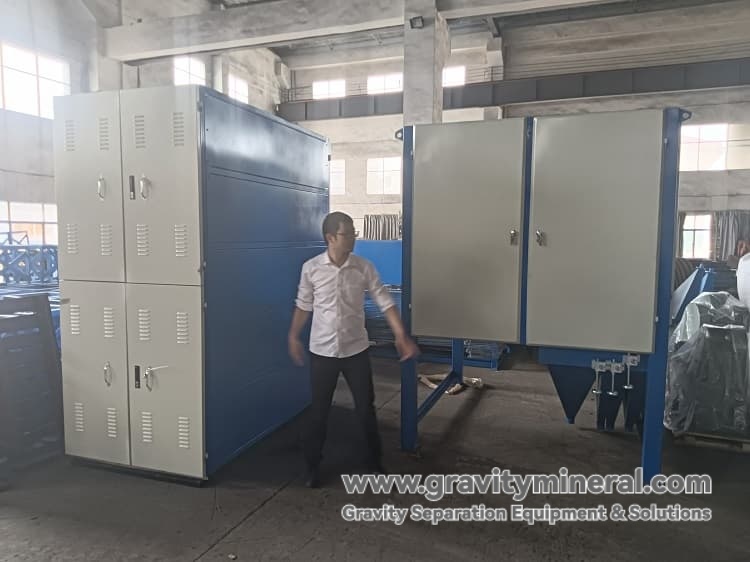
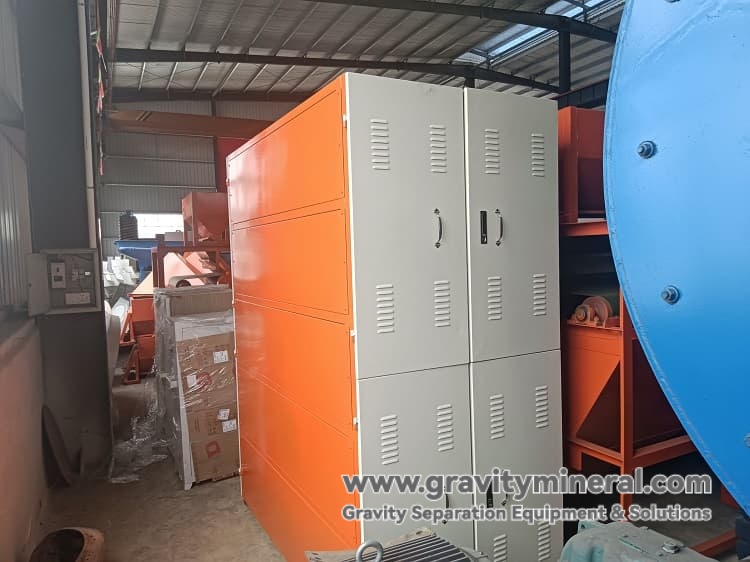
- Equipment manufacturing (40–60 days): scheduled across two in-house manufacturing bases, with quality control from raw material to factory test run.
- Shipping and logistics (30–60 days) + on-site installation and commissioning (60–150 days): engineers supervise installation on site, carry out single-machine and linked-circuit test runs and operator training — delivery is complete only when commissioning meets the targets.
A conventional mineral processing EPC turnkey project typically takes 7–12 months from contract effective date to reaching production targets. For more detail, see delivery timeline estimates.
Related Gravity Separation Solutions
Beyond heavy mineral sands (HMS), GravityMineral's gravity separation solution library covers the main hard-rock and placer ore types, so we can match historical experience from similar scenarios:
Heavy Mineral Sands (HMS): Frequently Asked Questions (FAQ)
Q1: Why is this considered a "versatile" HMS wash plant?
A: Unlike highly specialised equipment built for a single mineral, this HMS processing plant is designed to handle mixed heavy mineral sands. By using high-capacity spiral concentrators to reject silica and modular magnetic and electrostatic equipment to split the remaining stream, the plant can be adjusted quickly to process almost any beach or river heavy mineral deposit profitably.
Q2: How does the wet concentrator plant (WCP) differ from the mineral separation plant (MSP)?
A: The wet concentrator plant (WCP) is the washing and gravity section: it scrubs the raw sand, rejects silica in spiral concentrators and cleans up on shaking tables to produce a heavy mineral concentrate (HMC). The mineral separation plant (MSP) then takes that dry concentrate through magnetic and electrostatic stages to split it into final ilmenite, zircon, rutile and monazite products. GravityMineral supplies both sections as one mineral sands processing plant, which is what makes the line versatile enough to handle almost any beach or river HMS deposit profitably.
Q3: Can this HMS line fully separate zircon from rutile?
A: Yes. A basic gravity + magnetic configuration separates magnetic minerals (ilmenite) from non-magnetic minerals. To further split zircon from rutile within the non-magnetic fraction, GravityMineral fits a dryer, a dry magnetic separator and high-tension / plate-type electrostatic separators at the end of the line, using the conductivity contrast to complete the final separation.
Q4: Does heavy mineral sands processing need chemical reagents?
A: No. HMS separation relies entirely on differences in physical properties (density, magnetic susceptibility, conductivity). This 100% physical process produces no chemical pollution, and the wash water can be recirculated — fully in line with modern environmental requirements.
Q5: What if the ore has a very high clay content?
A: High clay content seriously interferes with downstream gravity upgrading. GravityMineral installs a rotary scrubber with high-pressure water jets in the first stage to break down the clay lumps completely, followed by desliming screens as required, so the spiral concentrators and shaking tables receive clean pulp.
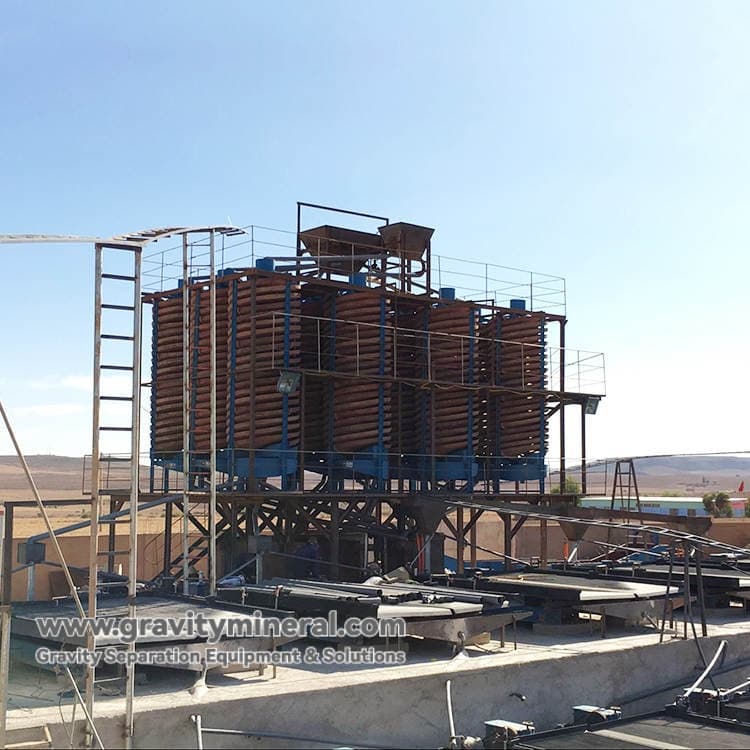
Global HMS Project Installations
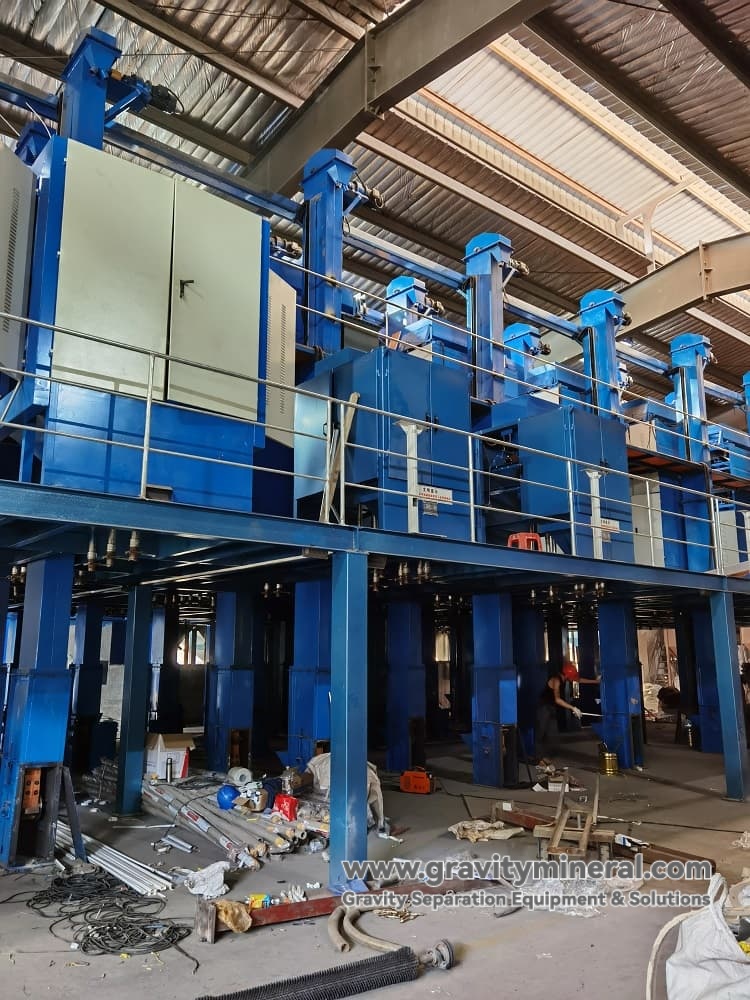
EPC Turnkey: End-to-End HMS Engineering
GravityMineral provides highly customised turnkey EPC solutions for mixed heavy mineral sands projects worldwide, covering the full cycle of technical support:
- Solution design: an HMS processing flowsheet and equipment configuration tailored to the specific characteristics of your ore sample.
- Engineering services: production line planning and 3D drawing design completed in-house — medium and large projects can save hundreds of thousands of dollars in design fees.
- Equipment manufacturing and supply: core gravity and magnetic / electrostatic equipment is produced at GravityMineral's two in-house manufacturing bases, with quality control from raw material procurement to factory test run and delivery of qualified equipment on schedule.
- Installation and commissioning: engineers dispatched worldwide to supervise installation, single-machine and linked-circuit test runs, recovery adjustment and operator training — delivery is complete only when commissioning meets the targets.
- After-sales and optimisation: quality responsibility during the warranty period; after warranty, spare parts supply, technical consultation and process optimisation, with response within 24 hours.
Talk to the GravityMineral engineering team for a customised HMS wash plant layout proposal and equipment quotation.