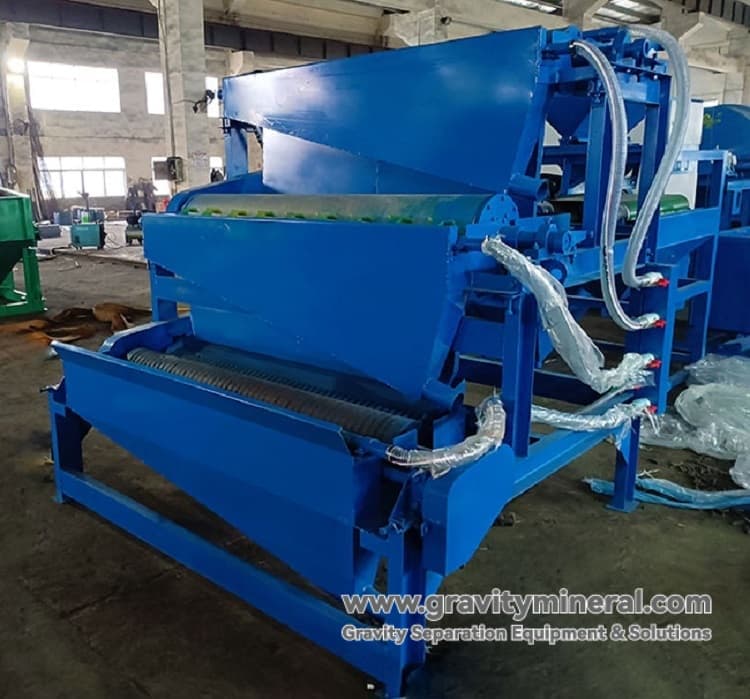
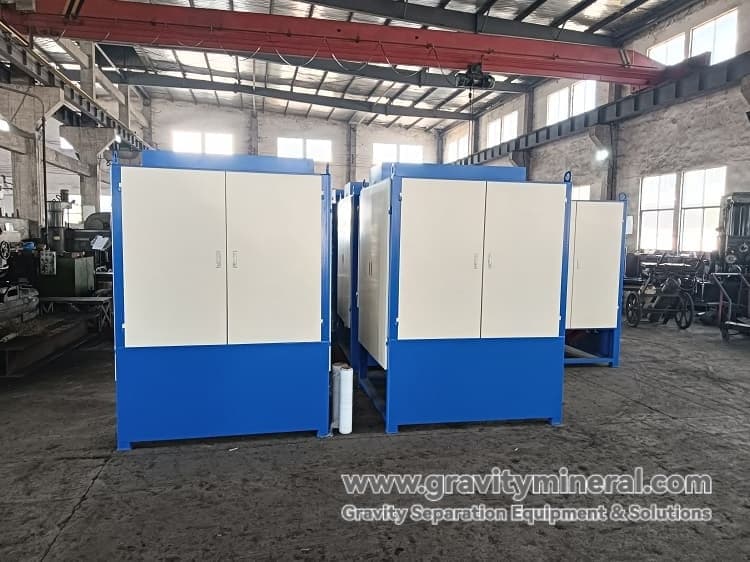
Monazite Beneficiation Production Line Solution (Combined Gravity-Magnetic Separation Process): This monazite beneficiation solution is designed for the recovery of monazite (a rare earth phosphate mineral) from beach sand deposits and employs a combined process flow of “wet gravity roughing + dry magnetic separation for concentration.”
GravityMineral achieves efficient enrichment and purification of monazite by combining gravity separation with magnetic separation. It is particularly suitable for processing beach sand deposits or weathered crust deposits containing monazite, ensuring a final rare earth oxide (TREO) grade of ≥55%,with a monazite recovery rate as high as 75–90%.
What is monazite?
Thorium-bearing monazite is an important rare earth phosphate mineral, typically brownish-yellow or reddish-brown, with a relatively high density (about 4.6–5.4 g/cm³) and weak magnetic susceptibility. It is concentrated mainly in beach placer sands, alluvial placers and weathered crust deposits, commonly associated with heavy minerals such as ilmenite, zircon, rutile and garnet. Unlike xenotime, monazite is dominated by the light rare earth elements (LREE) — cerium, lanthanum, neodymium and praseodymium — which is why monazite rare earth recovery is planned as a separate circuit from heavy rare earth feed.
Since monazite in beach sand deposits is naturally well-dissociated into individual particles, there is no need for complex crushing and grinding.The logic behind GravityMineral\'s standard monazite gravity separation process is as follows: first, light silica sand is removed through ore washing; then, heavy minerals are concentrated using spiral chutes and shaking tables; finally, separation is achieved by drying and multi-roll high-intensity magnetic separation, taking advantage of the magnetic differences between monazite and other heavy minerals.
20 Years of Specialized Manufacturing of Gravity Concentration Equipment
Export and commissioning of monazite production lines in 50+ countries
A global database of over 500 gravity separation project case studies
35% Market Share in China\'s Gravity Concentration Equipment Market
Monazite Gravity-Magnetic Separation Combined Process Flowchart
GravityMineral\'s modular monazite beneficiation production line is specifically designed to process beach sand deposits. Through the seamless integration of wet gravity separation and dry magnetic separation, it achieves efficient recovery of rare earth elements.
Stage 1: Wet Gravity Roughing Section
Preliminary enrichment is achieved by exploiting the density difference between heavy minerals and lightweight silica sand.
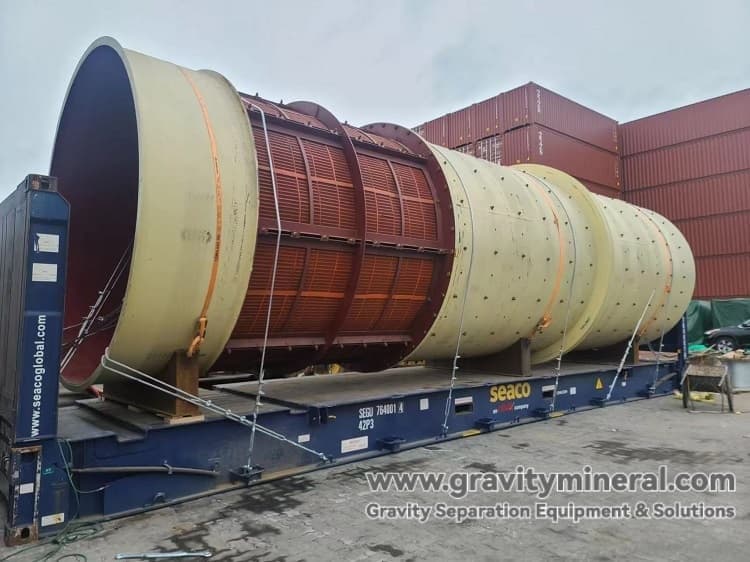
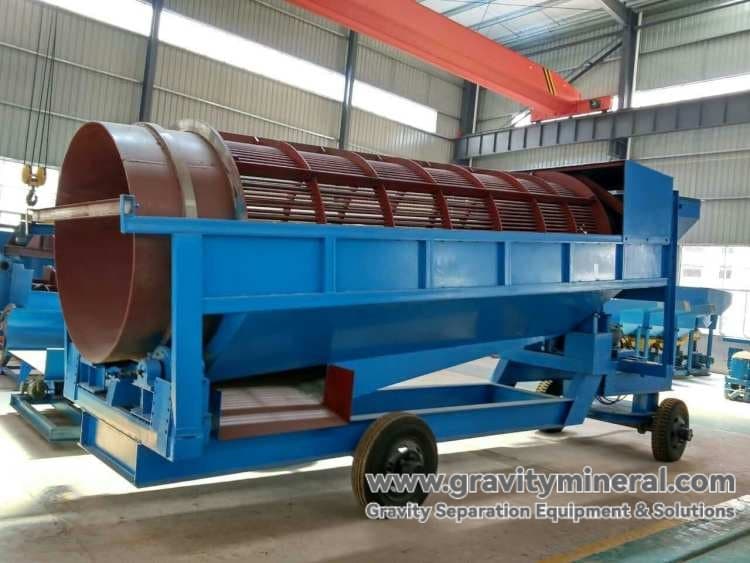
- Ore Washing and Screening: A trommel screen or cylindrical ore washer is used to remove impurities such as shells and coarse sand, with a processing capacity of 20–300 t/h.
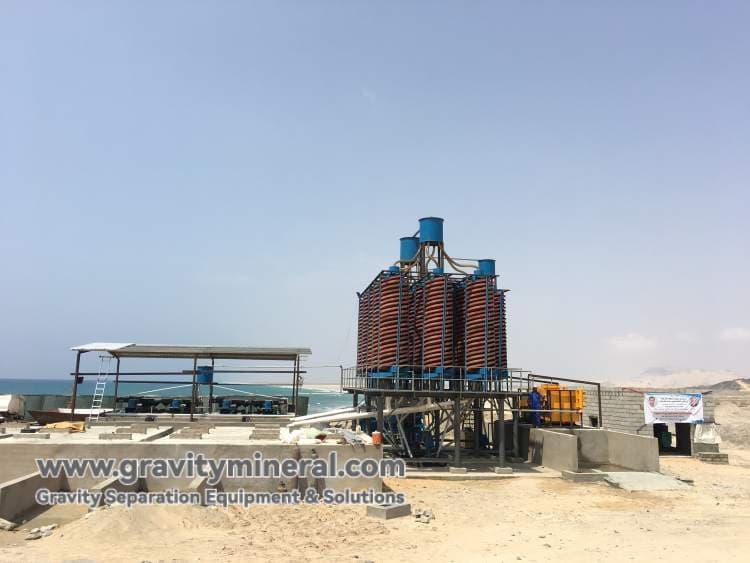
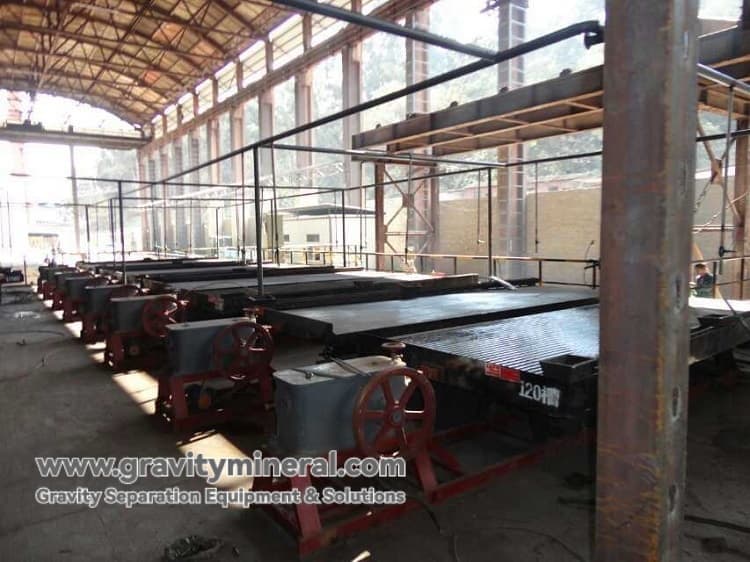
- Gravity Concentration: The slurry (feed concentration 30–35%) enters a fiberglass spiral chute assembly for preliminary concentration of heavy minerals; it then proceeds to a 6-S shaking table for fine separation (stroke adjustable from 8 to 22 mm), thereby improving the grade of the rough concentrate.
Stage 2: Drying and Dry Magnetic Separation Section
Before entering the dry magnetic separation process, the ore must be thoroughly dried, and associated minerals must be removed by exploiting differences in magnetic properties.
- Drying System: A specialized indirect dryer (evaporation intensity: 40 kg/m³·h) is used to ensure that the surface properties of the minerals remain intact and to prevent clogging of the magnetic separation discs.
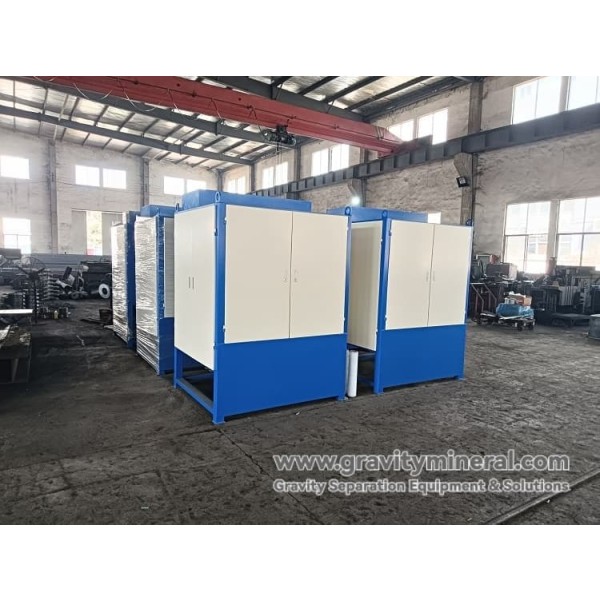
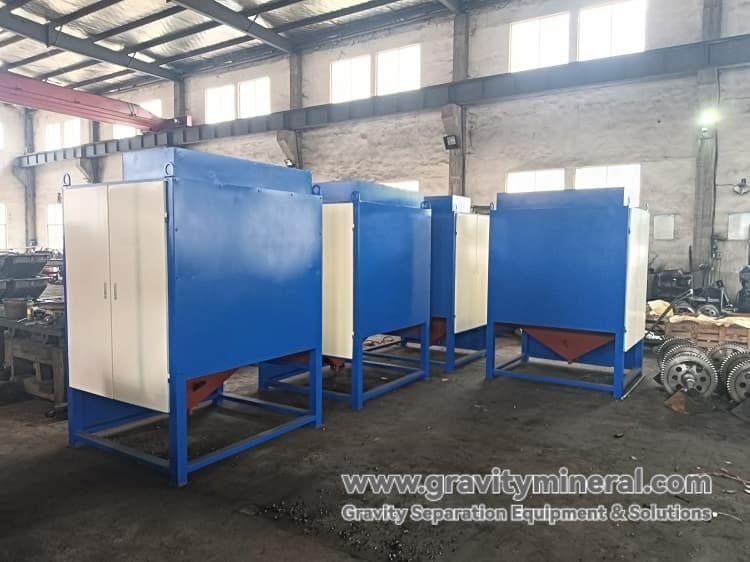
- Magnetic Separation and Purification: The dried material enters a multi-roll dry magnetic separator (designed specifically for monazite). By utilizing three rolls with low, medium, and high magnetic field strengths, magnetic minerals such as ilmenite and garnet are effectively removed, yielding a monazite concentrate.
Stage 3: Tailings Treatment and Comprehensive Recovery
Valuable minerals such as zircon and rutile can be further recovered from the magnetic separation tailings, enabling the comprehensive utilization of coastal sand ore resources.

Core Equipment Configuration and Selection for Monazite Production Lines
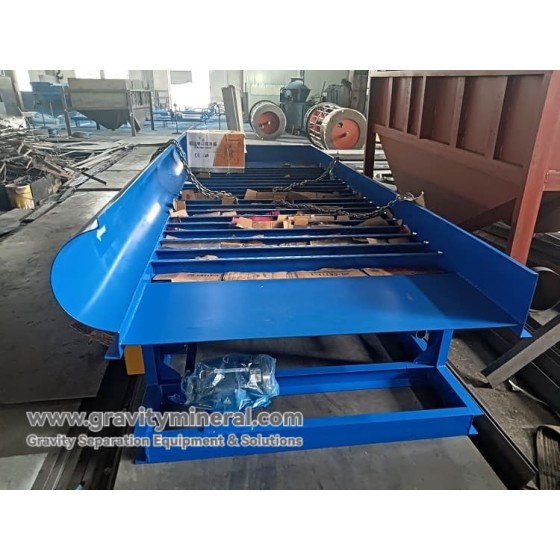
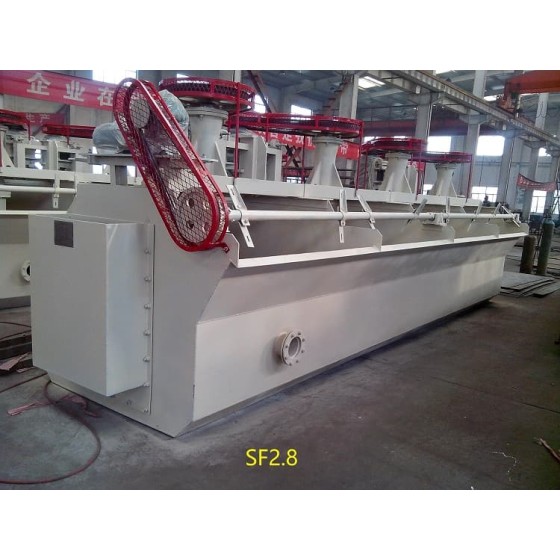
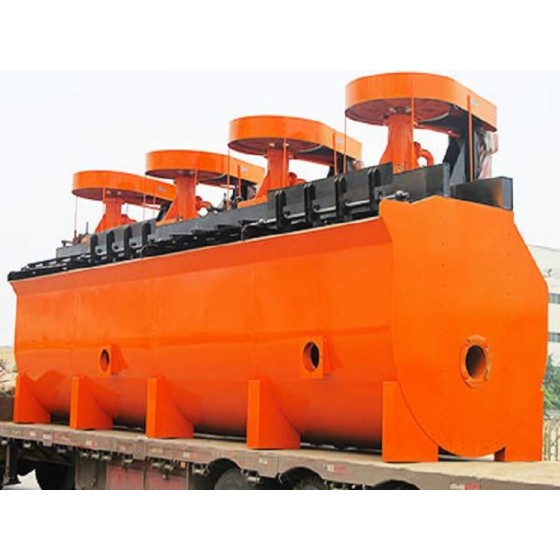
The key challenges in monazite beneficiation lie in achieving high-efficiency concentration in the gravity separation stage and controlling moisture content prior to dry magnetic separation. The table below lists the commonly used core equipment and process stages for a monazite production line.
| Process Stage |
Main Equipment |
Technical Features |
Processing Capacity |
| Pre-treatment |
Cylindrical Mineral Washer / Trommel Screen |
Designed for wear and corrosion resistance, effectively removing silt and oversized gravel. |
50–300 t/h |
| Wet Gravity Concentration |
Fiberglass-Reinforced Plastic (FRP) Spiral Chute Assembly |
Made of fiberglass-reinforced plastic (FRP), corrosion-resistant, non-powered, and capable of high-capacity rough sorting. |
3–4 t/h per unit |
| Wet Gravity Concentration |
6-S Shaking Table |
Adjustable stroke of 8–22 mm for high-precision fine separation. |
0.5–2 t/h |
| Drying system |
Indirect rotary dryer |
Evaporation intensity: 40 kg/m³·h; prevents material agglomeration and prepares the material for magnetic separation. |
Supporting Design |
| Dry Magnetic Separation |
Multi-roll Dry Magnetic Separator (for monazite) |
Three-roll separation with low, medium, and high magnetic field strengths effectively separates magnetic minerals such as ilmenite. |
1–10 t/h |
Target Technical Specifications and System Advantages
Technical Objectives
- Processing Capacity: 20–500 t/h (customizable)
- Monazite Recovery Rate: 75%–90%
- Concentrate Grade: Rare Earth Oxides (TREO) ≥ 55%
- Water Consumption: 0.5–2 t/t of ore (water recycled in the gravity separation section)
System Advantages
- High-Efficiency Recovery: Synergistic combination of gravity and magnetic separation processes effectively processes both coarse and fine particles, resulting in high monazite recovery rates.
- Cost-Effective Investment: The process flow is straightforward, equipment investment is reasonable, and operating costs are low.
- Environmental Protection and Energy Efficiency: The gravity separation stage uses no reagents or chemicals, and water is recycled.
- Flexible Configuration: Modular design facilitates capacity expansion and allows for seamless integration into titanium-zirconium ore processing lines.
Why Choose GravityMineral to Build a Monazite Concentration Plant
Monazite commonly occurs alongside ilmenite and zircon in beach placers, and the separation challenge is precisely how to extract the rare earth mineral from a complex heavy mineral assemblage. Because monazite rare earth recovery involves a thorium-bearing mineral, the circuit must also be designed for radiation compliance: enclosed conveying, sealed dry magnetic and electrostatic stages, baghouse dust collection and dry tailings stacking rather than wet impoundment. The mineral processing industry does not lack equipment — what it lacks is a partner that understands gravity upgrading, magnetic cleaning and the compliance side of monazite at the same time, and can make the flowsheet work as one system.
| Common Challenges |
GravityMineral\'s Solution |
| Monazite occurs in association with ilmenite and garnet, making it impossible to separate using gravity separation alone |
After gravity separation, a dryer and a multi-roll dry magnetic separator are installed to achieve precise separation by exploiting the weak magnetic properties of monazite. |
| Coastal sand deposits have high salt content and high moisture levels, making equipment prone to corrosion |
Spiral chutes are constructed of fiberglass-reinforced plastic with an alumina lining, while ore washing and conveying equipment is treated with anti-corrosion coatings to withstand harsh operating conditions. |
| Disconnect between the design institute\'s drawings and the equipment manufacturer leads to interface mismatches |
Equipment manufacturing, process design, and on-site commissioning are managed as a closed-loop process by a single team, ensuring interfaces are fully compatible. |
- 20 Years of Specialized Focus on Gravity Concentration: With 20 years of experience manufacturing spiral chutes and shaking tables, we have a wealth of historical data on which equipment suits which ore conditions and which processes work best for specific particle sizes.
- Full coverage of gravity and magnetic separation processes: GravityMineral not only provides gravity separation for roughing and concentration but also offers deep impurity removal equipment such as dryers and multi-roll magnetic separators.
- 50+ Countries, 500+ Global Case Studies: Real-world sites—such as coastal sand mines in Southeast Asia and heavy mineral sands in Australia—serve as the ultimate test of our equipment\'s reliability and adaptability.
- Six official certifications: ISO 9001, S-Certified Supplier, National High-Tech Enterprise, Jiangxi Province “Specialized, Refined, Unique, and Innovative” SME, “AA-Level Enterprise for Contract Compliance and Reputation,” and “Major Taxpayer.”
Monazite Production Line Pricing and Investment Guidelines
There is no standard quote for investing in a monazite processing plant—even for production lines with the same processing capacity, equipment configurations and costs vary significantly depending on the raw ore grade, mineral composition, and site conditions. GravityMineral does not quote “artificial prices” detached from actual mining conditions; instead, we provide a clear breakdown of total costs based on the following cost structure:
- Equipment Investment: Ore washing and screening section, gravity separation section (spiral chutes/shaking tables), drying section, and magnetic separation section (multi-roll magnetic separator). The modular design allows for phased investment based on your budget.
- Free Process Design: Process flow design, equipment selection and configuration, and plant layout drawings are completed by GravityMineral\'s in-house design team, eliminating the need to engage a separate design firm.
- Civil Construction and Installation Labor: Civil construction and general installation workers are organized locally by the client, with GravityMineral engineers on-site to provide technical guidance.
- Operating Costs (OPEX): The gravity separation section requires no chemicals, features high water recycling rates, and results in low overall operating costs.
- Delivery Schedule and Funding Timeline: Manufacturing of core standard equipment takes approximately 40–60 days; a full-process EPC turnkey project typically takes 7–12 months from contract execution to achieving production targets.
Provide GravityMineral with the ore type, raw ore grade, target throughput (metric tons per hour), feed particle size, and site conditions, and our engineers will draw on a global database of over 500 case studies to provide you with a transparent equipment selection list and quotation.
From Process Design to Production and Compliance: GravityMineral\'s Service Process
GravityMineral does more than just sell equipment; we provide full-cycle services ranging from mineral analysis, process design, and equipment manufacturing to on-site installation and commissioning. Monazite beneficiation projects can proceed according to the following milestones:
- Requirement Discussion (3–7 days): Provide information on the ore type, raw ore grade, target processing capacity, feed size, and site conditions. GravityMineral will propose a preliminary solution direction; there is no charge for this stage.
- Process Design and Equipment Selection Quote (7–15 days): Engineers determine a combined gravity-magnetic processing route based on ore body conditions and a global case study database of over 500 projects, and issue an equipment selection proposal. Equipment selection and pricing are provided simultaneously.
- Drawing Design (7–15 days): Process flow diagrams, equipment lists, plant layout plans, and civil engineering drawings are completed by our in-house design team; design work is not outsourced.
- Equipment Manufacturing (40–60 days): Production is scheduled at our two in-house manufacturing bases, with comprehensive quality control throughout the entire process—from raw materials to factory commissioning.
- Shipping and Logistics (30–60 days) + On-site Installation and Commissioning (60–150 days): Engineers are stationed on-site to supervise installation, conduct individual and integrated test runs, and provide personnel training; delivery is considered complete only after commissioning meets specified standards.
A typical turnkey EPC project for conventional mineral processing generally takes 7–12 months from contract execution to production commencement and compliance with performance standards. For more details, please refer to our full-cycle mineral processing services.
Related Gravity Concentration Solutions
In addition to monazite, GravityMineral\'s library of gravity separation solutions covers mainstream ore types in both rock and sand deposits, allowing us to match your project with historical experience from similar scenarios:
Frequently Asked Questions (FAQ) About Monazite Processing
Q1: Why must the “gravity separation + magnetic separation” combined process be used for monazite beneficiation?
A: The density of monazite in coastal sand deposits is 4.6–5.4 g/cm³, which is very close to that of ilmenite, garnet, and zircon. Relying solely on gravity separation (gravity concentration) will only yield a mixed heavy sand concentrate. Since monazite exhibits weak magnetic properties, it is necessary to first enrich the ore through gravity separation, followed by drying and multi-roll strong magnetic separation. By exploiting magnetic differences, magnetic minerals such as ilmenite can be separated, thereby yielding a high-grade rare earth concentrate.
Q2: Why is it necessary to use a dryer before dry magnetic separation?
A: Monazite magnetic separators are dry-type high-intensity magnetic separation devices. The concentrate produced by wet gravity separation has a high moisture content. If fed directly into the magnetic separator, the wet material will adhere to the magnetic rollers, causing material buildup and blockage of the magnetic separation gap, which severely impairs the impurity removal efficiency. Therefore, a dryer must be used to dehydrate and dry the concentrate until it becomes free-flowing, allowing the magnetic separator to achieve maximum efficiency in removing iron and titanium.
Q3: How much does a complete set of monazite beneficiation equipment cost?
A: Since coastal sand mines do not require expensive crushing and grinding equipment, the overall investment is relatively low. The specific cost depends on your raw ore processing capacity (metric tons per hour) and the monazite grade in the raw ore. After assessing your ore conditions, GravityMineral will provide a transparent equipment list and quote that includes an ore washer, spiral chute, shaking table, dryer, and dry magnetic separator.
Q4: Do the tailings from monazite beneficiation still have value?
A: Yes. Monazite is often found in association with zircon, rutile, and ilmenite. After monazite is separated via gravity and magnetic separation, the tailings typically contain significant concentrations of other valuable heavy minerals. GravityMineral can add an electrostatic separation or gravity separation stage at the end of the process to further recover zircon and rutile, achieving “multiple yields from a single ore” and maximizing the mine's economic benefits.
Q5: Can your equipment withstand the high-salt, high-humidity environment of coastal mining areas?
A: Yes. To address the unique operating conditions of coastal sand mines, GravityMineral's spiral chutes are made of fiberglass-reinforced plastic (FRP) with an alumina lining, making them corrosion- and wear-resistant; ore washing and conveying equipment is treated with anti-corrosion coatings; and motors are equipped with high-grade waterproof and moisture-proof protection to ensure stable operation in harsh environments.
Q6: Can I purchase just one shaking table or magnetic separator, or do I have to buy the entire line?
A: You can purchase individual units. GravityMineral does not require bundled purchases. If your existing processing plant only needs to replace a single 6-S shaking table, or add a multi-roll dry magnetic separator for concentrate purification, we can supply these as standalone units. If you are building a new processing plant, we provide a full suite of equipment—from ore washing to magnetic separation—along with EPC turnkey services.
Q7: Does monazite beneficiation require the addition of chemicals? Will it meet environmental regulations?
A: No. Monazite beneficiation relies entirely on the differences in physical properties between minerals (density, magnetism). The wet gravity separation stage requires zero chemical additives, and the dry magnetic separation stage uses purely physical separation. This 100% physical beneficiation process not only eliminates chemical pollution but also allows for the recycling of wash water and dry tailings disposal, fully complying with modern environmental standards.
Q8: If the monazite grade in the raw ore fluctuates significantly, can your process adapt to this?
A: Yes. We take into account the range of ore grade fluctuations and the operational tolerance margin during process design. The throughput, stroke, and slope of the gravity separation section (spiral chutes and shaking tables) can all be adjusted according to the grade of the raw ore. If fluctuations exceed the normal range, our engineers will set the operating parameters for different operating conditions during on-site commissioning and train your workers to operate the equipment proficiently.
Q9: Monazite is thorium-bearing — what radiation controls are needed?
A: Monazite is a thorium-bearing mineral, so the plant layout must keep dust and concentrate handling enclosed: sealed dry magnetic and electrostatic stages, enclosed belt conveying, baghouse dust collection at every transfer point, and dry tailings stacking instead of a wet tailings dam. GravityMineral specifies these features at proposal stage and recommends a thorium (Th) assay in the ore testwork so that radiation compliance limits and monitoring requirements can be confirmed before construction.
Global Monazite and Heavy Mineral Sand Project Installation Case Studies
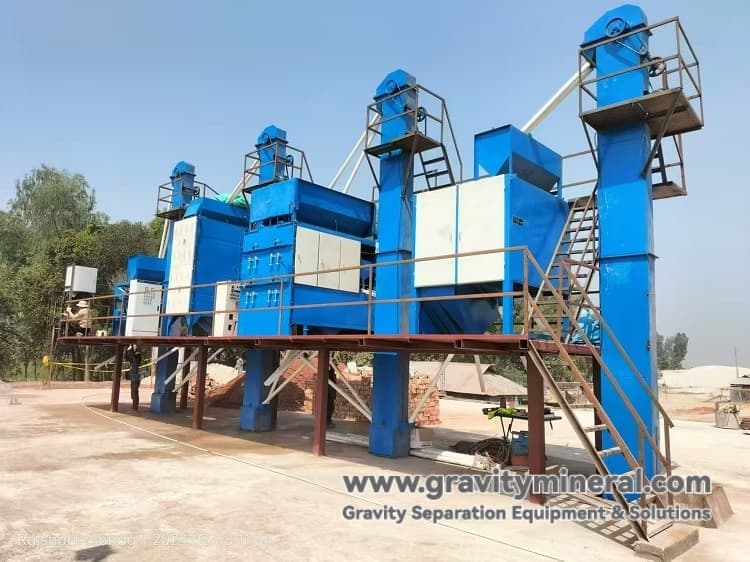
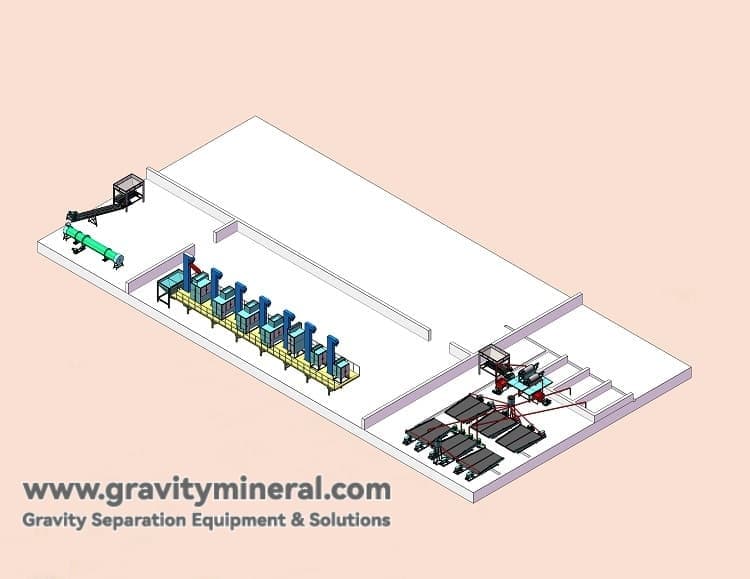
EPC Turnkey: End-to-End Monazite Engineering Services
GravityMineral provides highly customized turnkey EPC solutions for monazite recovery from coastal sand deposits, separation of weathered crust deposits, and tailings reprocessing projects worldwide:
- Solution Design: We tailor combined gravity and magnetic separation process flow diagrams and equipment configurations based on the specific characteristics of your ore samples.
- Engineering Services: Production line planning and drawing design, all completed in-house, saving hundreds of thousands of dollars in design fees for medium- to large-scale projects.
- Equipment Manufacturing and Supply: Core gravity and magnetic separation equipment is manufactured at GravityMineral\'s two in-house production facilities, with quality control throughout the entire process.
- Installation, Commissioning, and Training: We dispatch field engineers worldwide to oversee installation, conduct integrated commissioning tests, optimize recovery rates, and train your operators; delivery is considered complete only after successful commissioning.
- After-Sales Support and Optimization: We assume full responsibility for quality during the warranty period; after the warranty expires, we provide spare parts, technical consulting, and process optimization, with a response time of within 24 hours.
Please contact the GravityMineral engineering team to obtain a customized layout plan for your monazite processing plant and equipment quotations.