Incinerator bottom ash (IBA) sorting and resource recovery solution: As global urbanisation accelerates, energy-from-waste incineration of municipal solid waste (MSW) has become a mainstream disposal route. The incinerator bottom ash (IBA) left behind, however, still contains large quantities of recoverable metals of high value.
Drawing on decades of experience in mineral processing, GravityMineral has developed a complete turnkey "multi-stage crushing, intelligent separation, resource utilisation" solution purpose-built for bottom ash treatment. By physically combining crushing, magnetic separation, eddy current separation and gravity separation, an IBA processing plant can efficiently recover ferrous metals (iron), non-ferrous metals (copper, aluminium), stainless steel and precious metals. In practice this metal recovery from incinerator bottom ash route reaches 100% resource utilisation — metals sold to smelters plus a clean bottom ash aggregate for brick and road-base use — which is what makes zero landfill achievable rather than aspirational.
What Is Incinerator Bottom Ash (IBA)?
Incinerator bottom ash (IBA) is the solid residue discharged from the grate at the bottom of a municipal solid waste incinerator after combustion. It is also written as MSW incineration bottom ash or MSWI bottom ash in technical and feasibility documents, and in European policy language the recovery route is called bottom ash valorisation. Although it is a "waste residue", it is enriched with non-ferrous metals (copper, aluminium), ferrous metals (iron, stainless steel) and trace precious metals (gold, silver) that have been through high-temperature melting and are still partly encapsulated in slag.
The core difficulty in bottom ash metal recovery is that the material is extremely abrasive, wraps around machinery, and binds metals tightly to the fused slag. GravityMineral's standard IBA recycling process therefore uses a combined circuit: "purpose-built anti-wrapping crushing + multi-stage magnetic and eddy current separation + gravity separation for stainless steel and precious metals" — handling difficult waste safely while maximising metal recovery.
20 yearsGravity separation and recycling equipment manufacturing
50+ countriesIBA processing plants exported and commissioned
500+ projectsMineral and waste processing experience base
35%China market share in gravity separation equipment
Three-Stage Bottom Ash Resource Recovery Flowsheet
Processing incinerator bottom ash in a bottom ash processing plant is nothing like processing natural ore. IBA is highly abrasive, heavily agglomerated and mixed with unpredictable debris. GravityMineral's flowsheet is designed to handle these extreme conditions safely and profitably.
Stage 1: Pre-treatment and Size Conditioning
To prepare for metal extraction, the ash must be carefully crushed and classified.
- Uniform feeding: raw ash is conveyed by a heavy-duty plate feeder to ensure a stable flow rate. A grizzly screen removes large, unpredictable debris that could damage downstream equipment.
- Crushing and conditioning: the ash passes through a purpose-built IBA crusher, which performs coarse and fine crushing to physically separate attached metals (iron / copper) from the fused slag without wrapping or jamming.
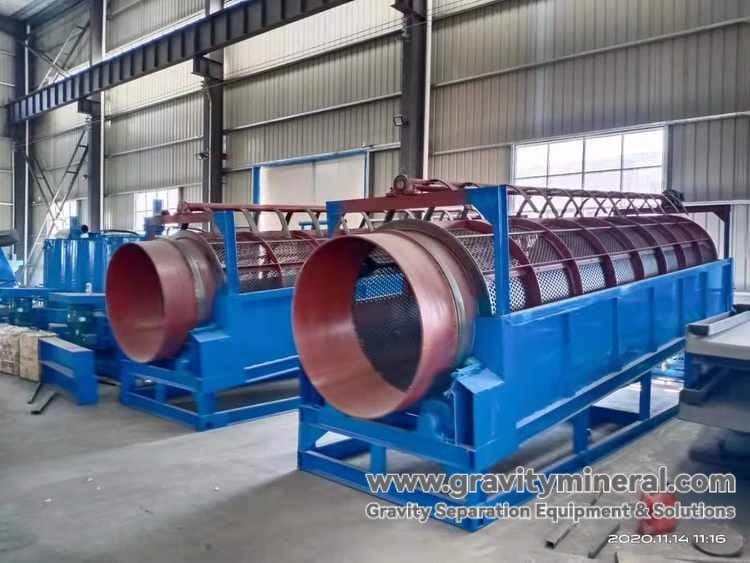
- Screening and classification: trommel screens and vibrating screens classify the ash by particle size in multiple stages, creating ideal conditions for automated separation.
Stage 2: Metal Separation and Extraction
This is the revenue-generating core of the plant, extracting specific metals by exploiting different physical properties.
- Magnetic separation (ferrous): multi-stage permanent-magnet separators extract scrap iron, achieving ferrous recovery ≥95%.
- Eddy current separation (non-ferrous): high-frequency eddy current separators lift non-ferrous metals such as copper and aluminium out of the waste stream, achieving recovery ≥90%.
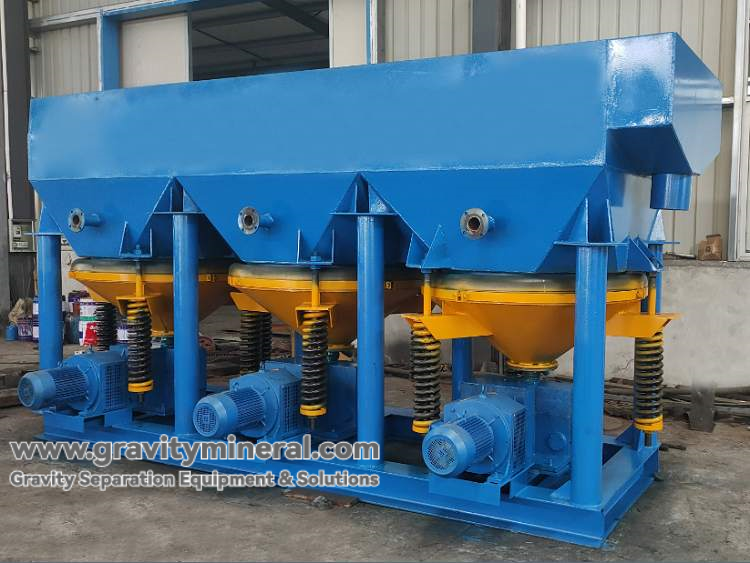
- Gravity separation (stainless steel and precious metals): the remaining fine ash is treated in sawtooth-wave jigs and shaking tables. This precise hydraulic separation step recovers stainless steel, coarse copper wire and trace precious metals (gold / silver) that escaped magnetic and eddy current separation.
Stage 3: Post-treatment and Resource Utilisation
The final stage ensures products are clean, dry and market-ready.
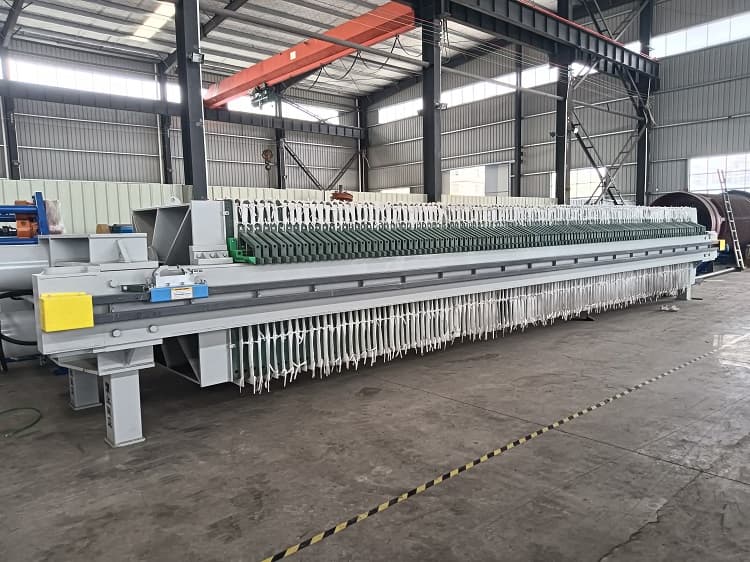
- Fine screening and dewatering: high-frequency vibrating screens ensure metal product purity. A spiral sand washer cleans and dewaters the remaining ash, while a filter press separates the final sludge from water.
- Zero landfill: recovered metals are baled and sold directly to smelters. The remaining clean tailings are washed and dewatered to become bottom ash aggregate that meets the GB/T 25032-2010 standard for construction materials, and is used to make bricks or road-base aggregate — the product that turns zero landfill into a revenue line rather than a cost.
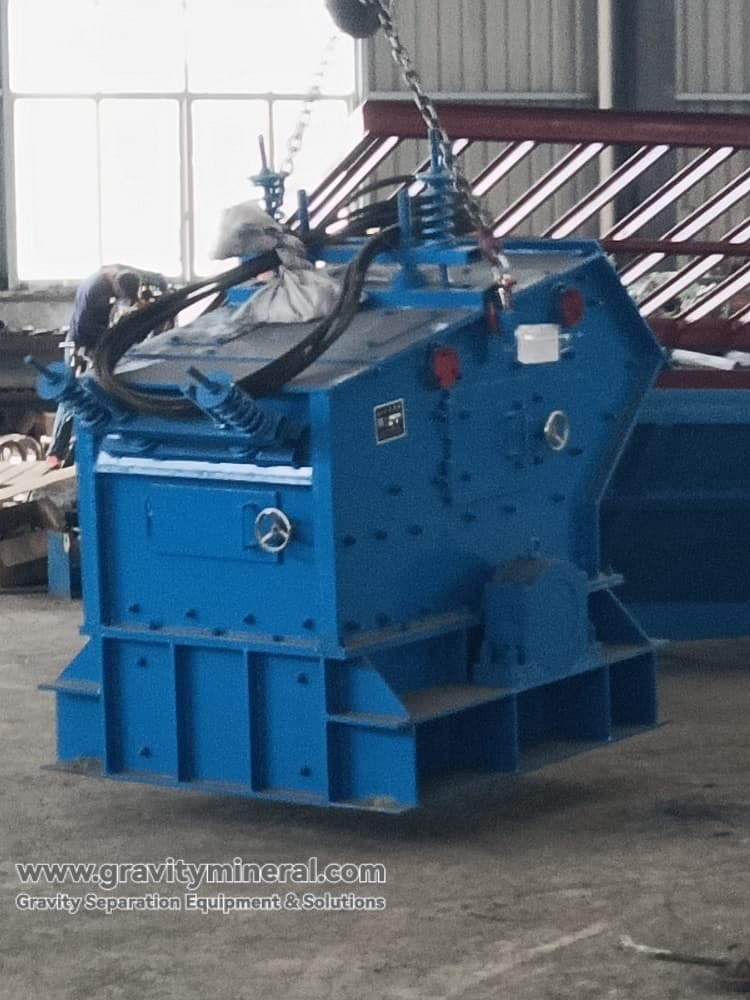
Core Equipment Configuration for an IBA Processing Plant
The barrier in bottom ash processing is equipment resistance to abrasion and wrapping, plus the precise coordination of multi-stage separation. The table below lists the core equipment and duty stations of an IBA processing plant; exact models are fixed by GravityMineral engineers against your ash composition, metal content and target throughput (200–2,000 t/day).
| System |
Core equipment |
Technical features |
| Feeding |
Heavy-duty plate feeder |
Built for heavy loads; abrasion-resistant with uniform discharge. |
| Crushing |
IBA-specific crusher |
Anti-wrapping design with very high throughput on difficult waste. |
| Screening |
Trommel screen |
Abrasion-resistant screen media for precise size classification. |
| Magnetic separation |
Permanent-magnet separator |
Multi-stage magnetic system delivering high ferrous recovery (≥95%). |
| Eddy current separation |
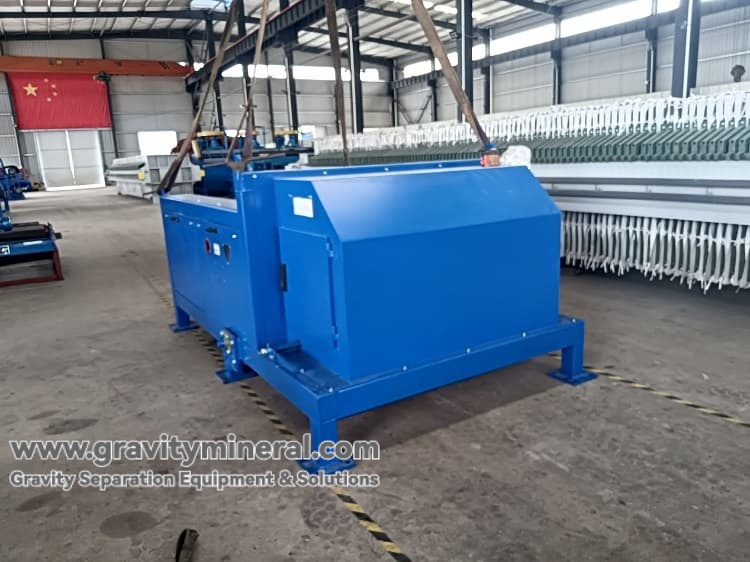
Eddy current separator |
High separation efficiency on non-ferrous aluminium and copper (≥90%). |
| Gravity separation |
Sawtooth-wave jig and shaking table |
Fine separation of heavy trace metals and stainless steel from the fines. |
| Stainless steel recovery |
Stainless steel separator |
Uses conductivity and magnetic differences to extract weakly magnetic stainless steel. |
| Dewatering |
Filter press |
Highly automated; achieves complete separation of ash and water. |
Target Technical Indicators and System Advantages
Technical targets
- Capacity: 200 to 2,000 t/day (modular design, expandable).
- Ferrous metal recovery: ≥ 95%.
- Non-ferrous metal recovery: ≥ 90%.
- Resource utilisation: 100% (metals + bottom ash aggregate).
- Tailings standard: compliant with GB/T 25032-2010 for construction materials.
System advantages
- High return: high metal recovery, saleable ash product and sharply reduced landfill cost give a typical payback of only 10–18 months.
- Zero landfill: no disposal required — a genuine circular economy route that meets environmental regulations.
- Anti-wrapping design: the purpose-built IBA crusher and abrasion-resistant screens handle unpredictable waste and keep the plant running.
- Recovers what others miss: the gravity stage captures stainless steel, coarse copper wire and precious metals that magnetic and eddy current stages cannot.
- Modular expansion: magnetic + eddy current set first, then gravity and dewatering stages added later as budget allows.
Why Build Your Bottom Ash Processing Plant with GravityMineral
Bottom ash projects typically face wrapping, severe wear, and incomplete separation of metals from slag. An IBA recycling plant also has to prove its numbers: what share of the bottom ash metal recovery is actually saleable, and how much of the residue can leave site as product. The processing industry does not lack equipment — what it lacks is a partner that understands gravity separation and also understands the behaviour of municipal waste, and can make the flowsheet fit together perfectly.
| Common problem |
GravityMineral's solution |
| Standard crushers wrap and jam on scrap metal |
A purpose-built IBA crusher with an anti-wrapping design breaks down the slag forcefully without stalling. |
| Stainless steel and copper wire are hard to recover |
A gravity stage (sawtooth-wave jig + shaking table) is added after magnetic and eddy current separation specifically to capture residual metals. |
| Tailings cannot be disposed of and still go to landfill |
A filter press and sand washer bring tailings up to the GB/T 25032-2010 construction aggregate standard, removing the landfill requirement. |
| Equipment wears out quickly on abrasive ash |
Abrasion-resistant screen media, linings and heavy-duty feeders are specified for the duty, not downgraded from mineral duty. |
- 20 years focused on gravity separation: two decades of building spiral concentrators and jigs — which equipment suits which material, which flowsheet suits which size fraction, all backed by retrievable historical experience.
- Full gravity / magnetic / eddy current coverage: GravityMineral supplies not only the gravity extraction equipment, but also magnetic separators and eddy current separators for automated metal recovery.
- 50+ countries, 500+ global projects: a 1,000 t/day project in Vietnam and multiple 500–1,200 t/day plants in China are the best test of equipment reliability and adaptability.
- Six official credentials: ISO9001, S-certified supplier, National High-Tech Enterprise, Jiangxi Provincial SRDI (specialised, refined, distinctive and innovative) SME, "Contract-Honoring and Credit-Worthy AA Enterprise", and "Major Taxpayer".
IBA Processing Plant Price and Investment Reference
How much does an IBA processing plant cost? There is no single figure — for the same throughput, differences in ash composition, metal content and site conditions change both the equipment configuration and the total cost considerably. GravityMineral does not quote "paper prices" detached from the material; instead we cost the full picture against the following structure:
- Equipment investment: feeding and crushing stage, screening stage, magnetic / eddy current stage, gravity stage (jigs / shaking tables) and dewatering stage. Modular design allows staged investment to suit your budget.
- Free process design: flowsheet design, equipment selection and plant layout drawings are completed by GravityMineral's in-house design team — no external design institute required.
- Civil works and installation labour: civil construction and general installation labour are organised locally by the client; GravityMineral engineers provide on-site technical supervision.
- Operating cost (OPEX): zero reagents and no chemicals in the gravity stage; the main costs are power, water and wear parts.
- Lead time and funding rhythm: core standard equipment takes about 40–60 days to manufacture; a full EPC turnkey project typically reaches target production 7–12 months after contract effectiveness.
Tell GravityMineral your target throughput (tonnes per hour) and site conditions, and our engineers will draw on a 500+ global project database to issue a transparent equipment selection list and quotation — one document showing which circuit, which equipment and what cost.
From Process Design to Production Targets: GravityMineral's Service Workflow
GravityMineral does more than sell equipment: we provide a full-cycle service covering material analysis, flowsheet design, equipment manufacturing and on-site installation and commissioning. An IBA project typically advances through the following milestones:
- Requirement review (3–7 days): provide ash source, metal content, target throughput and site conditions; GravityMineral proposes a preliminary direction at no charge.
- Process design and selection quotation (7–15 days): engineers combine ash characteristics with the 500+ global project database to fix the separation route and issue the equipment selection scheme, with selection and quotation delivered together.
- Drawing design (15–30 days): flowsheet diagram, equipment list, plant layout drawing and civil works condition drawings, completed by the in-house design team — design is never outsourced.
- Equipment manufacturing (40–60 days): scheduled across two in-house manufacturing bases, with quality control from raw material to factory test run.
- Shipping and logistics (30–60 days) + on-site installation and commissioning (60–150 days): engineers supervise installation on site, carry out single-machine and linked-circuit test runs and operator training — delivery is complete only when commissioning meets the targets.
A conventional turnkey EPC project typically reaches target operation 7–12 months after contract effectiveness. For more detail, see full-cycle mineral processing services and delivery timeline estimates.
Related Gravity Separation Solutions
Beyond bottom ash, GravityMineral's solution library covers the main hard-rock and placer ore types — useful where the same gravity logic applies to dense, abrasive materials:
Bottom Ash Processing: Frequently Asked Questions (FAQ)
Q1: Why is bottom ash so difficult to crush compared with natural rock?
A: Unlike natural rock, IBA contains fused slag with ductile scrap metal embedded in it — copper wire, rebar and sheet. A standard mining crusher jams or wraps immediately on such material. GravityMineral's solution uses a purpose-built "anti-wrapping" IBA crusher, designed to break brittle slag while flattening ductile metal without stalling the rotor.
Q2: What is the payback period on a bottom ash processing plant?
A: The economics are strong. Because MSW ash is rich in high-value non-ferrous metals (copper and aluminium) and the remaining tailings can be sold as construction aggregate — which also avoids landfill disposal fees — most clients recover the full investment within 10 to 18 months.
Q3: How much does a complete IBA processing plant cost?
A: The actual cost depends on your throughput (tonnes per day) and the metal content of the ash. Once GravityMineral understands the material, we issue a transparent equipment list and quotation covering the plate feeder, IBA crusher, trommel screen, magnetic separator, eddy current separator, jigs and filter press.
Q4: Can bottom ash really be used as construction aggregate with zero landfill?
A: Yes. GravityMineral installs a spiral sand washer and filter press to separate and clean the tailings slurry. The cleaned ash becomes bottom ash aggregate that meets GB/T 25032-2010 and can be used directly for brick making or as road-base aggregate — so the plant reaches genuine zero landfill rather than merely reducing disposal volume. Local aggregate standards must still be checked project by project, which we do at proposal stage.
Q5: How pure are the stainless steel and precious metals recovered by gravity separation?
A: Combining sawtooth-wave jigs with shaking tables upgrades the high-density fraction — stainless steel, copper wire and trace gold / silver — into a high-purity heavy concentrate that completes the metal recovery from incinerator bottom ash route and can be sold directly to smelters. Purity is sufficient for commercial trading; final payment terms are set by the smelter's assay, as with any concentrate.
Q6: Can you supply a single eddy current separator? What if we want to expand later?
A: Yes, single units can be supplied, including an eddy current separator sized for a specific bottom ash stream. GravityMineral supports modular purchasing: you can start with a magnetic + eddy current set and add the gravity and dewatering stages later when budget allows. Because the interfaces are reserved in the original design, expansion does not require rebuilding — you simply add equipment in proportion.
Q7: Our ash metal content fluctuates a lot — can your flowsheet cope?
A: Yes. Process design accounts for the material's variation range and operating tolerance. Throughput, stroke and slope of the gravity stage (jigs and shaking tables) can all be adjusted to the incoming ash grade. If variation exceeds the normal range, engineers set the operating parameters for each condition during on-site commissioning.
Q8: For projects in Africa or Southeast Asia, can you send engineers on site?
A: Yes. GravityMineral's products and services have been exported to more than 50 countries. We dispatch on-site engineers to supervise equipment positioning, single-machine and linked-circuit test runs, recovery adjustment, and to train your local operating team until the line runs stably and meets the targets.
Global Bottom Ash Project Installations
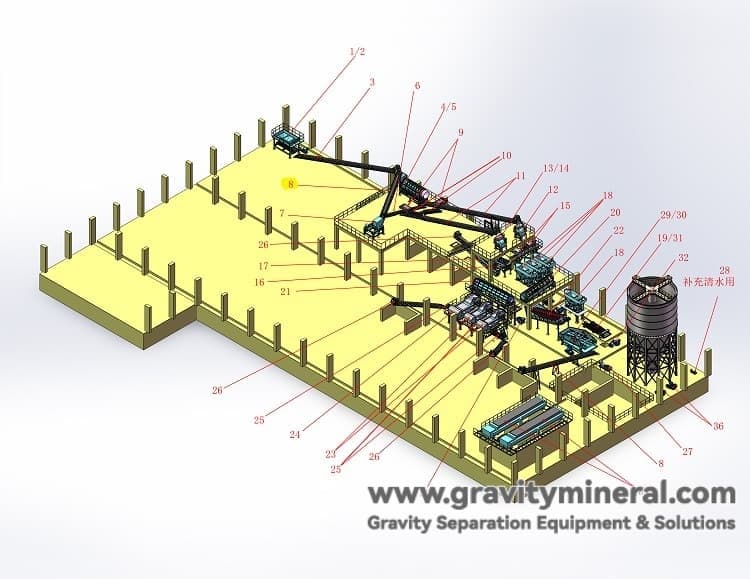
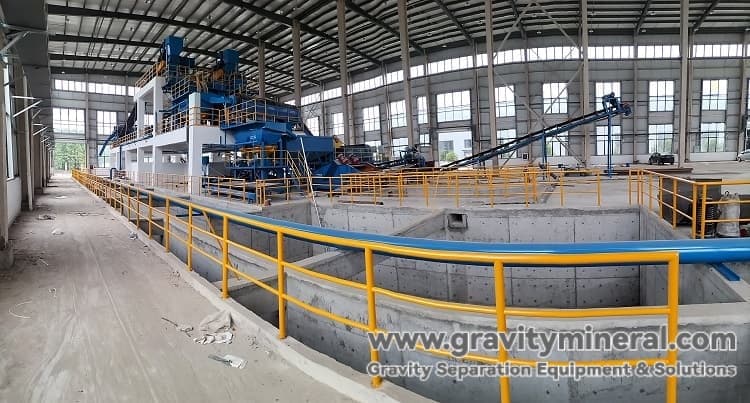
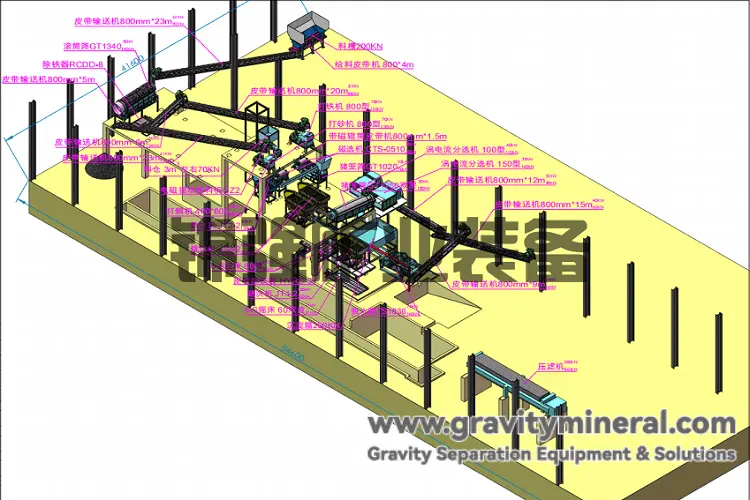
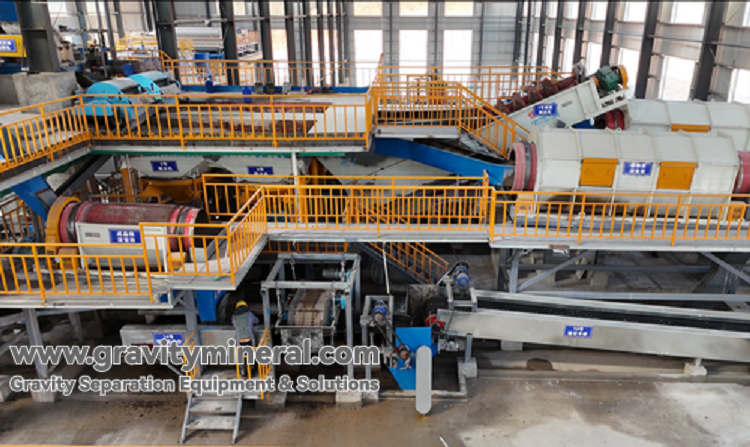
EPC Turnkey: End-to-End IBA Resource Recovery Engineering
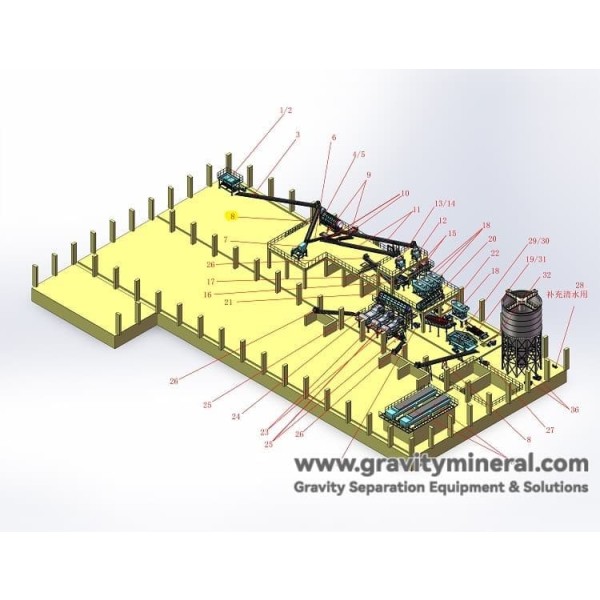
As a dedicated IBA processing plant manufacturer and EPC contractor, GravityMineral has successfully commissioned large IBA facilities worldwide, including a 1,000 t/day project overseas and multiple 300–2,000 t/day plants built in China for state-owned enterprises and listed companies.
We provide a complete turnkey EPC service: front-end consulting (site planning, equipment selection), mid-term execution (manufacturing, installation) and long-term support (operator training and lifetime technical assistance).
- Solution design: a separation flowsheet and equipment configuration tailored to the characteristics of your bottom ash.
- Engineering services: production line planning and 3D drawing design completed in-house — medium and large projects can save hundreds of thousands of dollars in design fees.
- Equipment manufacturing and supply: core gravity and magnetic equipment is produced at GravityMineral's two in-house manufacturing bases, with quality control from raw material procurement to factory test run.
- Installation and commissioning: engineers dispatched worldwide to supervise installation, single-machine and linked-circuit test runs, recovery adjustment and operator training — delivery is complete only when commissioning meets the targets.
- After-sales and optimisation: quality responsibility during the warranty period; after warranty, spare parts supply, technical consultation and process optimisation, with response within 24 hours.
GravityMineral — turning incinerator bottom ash into a resource and creating new value in the circular economy. Talk to our engineering team for a customised IBA processing quotation.