




Comparing the OPEX: Gravity Separation vs. Flotation in Mineral Processing
In the world of mineral processing, achieving a high recovery rate is only half the battle. The true measure of a successful mining operation is profitability. If it costs you $90 to extract $100 worth of minerals, your operation is highly vulnerable to market fluctuations.
When designing a processing plant for ores like gold, tin, antimony, or base metals, metallurgists and investors often face a critical choice: Gravity Separation vs. Froth Flotation. While both methods are industry standards, their impact on your Operational Expenditure (OPEX) is drastically different.
In this comprehensive guide, we will break down the OPEX of gravity separation and flotation, analyzing power consumption, reagent costs, maintenance, and labor. Whether you are building a new plant or looking to optimize an existing circuit, understanding these cost drivers is essential for maximizing your mining ROI.
1. The High OPEX Reality of Froth Flotation
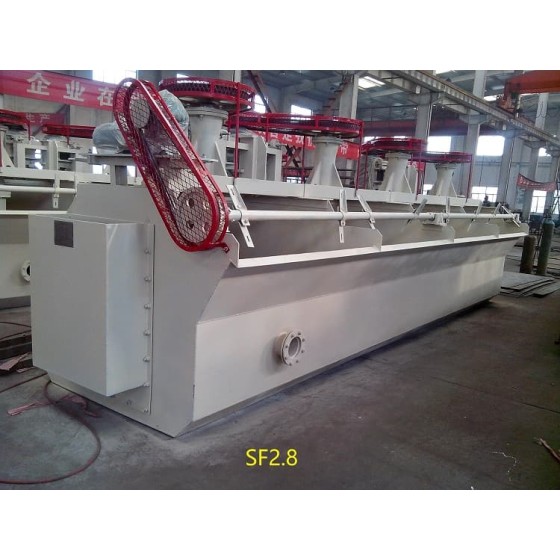
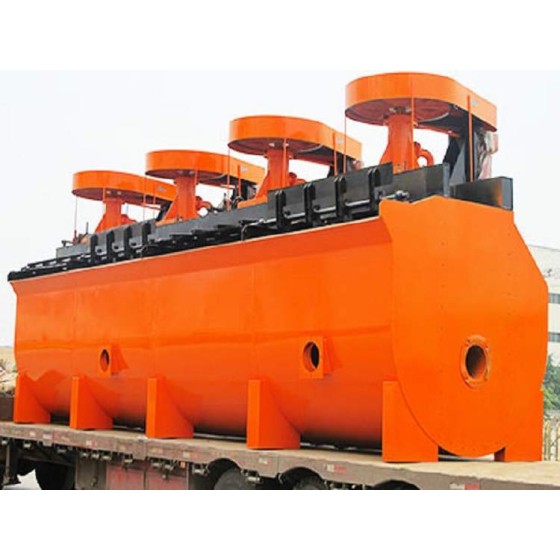
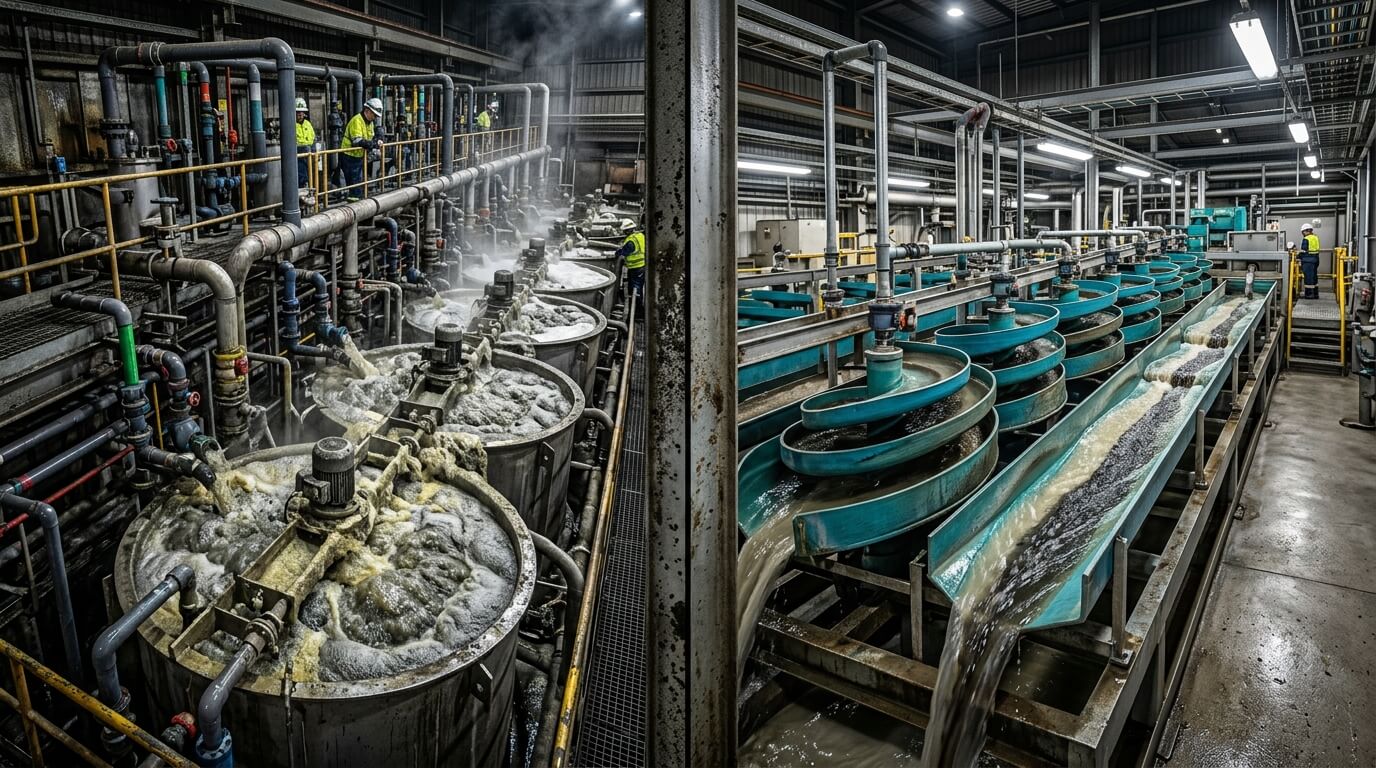
Froth flotation is a complex physio-chemical process. It involves crushing and grinding the ore to an ultra-fine powder, mixing it with water, and adding a cocktail of chemical reagents (collectors, frothers, and modifiers). Air is then pumped into agitation tanks, creating bubbles to which the hydrophobic (water-repelling) valuable minerals attach and float to the surface.
While flotation is unparalleled for recovering fine, complex, and disseminated sulfide ores, it is notoriously expensive to run:
- Chemical Reagents: You must continuously purchase, transport, and store specialized chemicals. This is a perpetual drain on your cash flow.
- Power Consumption: Flotation cells require massive electric motors to constantly agitate heavy slurry, plus industrial blowers to supply continuous compressed air.
- Skilled Labor: Flotation is highly sensitive. Changes in ore grade, pH levels, or water quality require constant adjustment by expensive, highly skilled metallurgists.
2. The Low OPEX Advantage of Gravity Separation
Gravity separation is a strictly physical process. It separates minerals based on their differing Specific Gravity (SG) responding to forces like gravity, water pulsation, or centrifugal acceleration.
Because it relies on fundamental physics rather than chemical reactions, the OPEX of gravity processing is a fraction of flotation:
- Zero Reagent Costs: The primary medium is water. There are no collectors, frothers, or pH modifiers to buy.
- Lower Power Draw: Equipment like a Fiberglass Spiral Chute operates using gravity alone—requiring absolutely zero electricity once the slurry is pumped to the top. Machines like the 6-S Shaking Table use very small fractional horsepower motors.
- Ease of Operation: Gravity circuits are visually intuitive. An operator can literally see the separation happening on a shaking table and make quick mechanical adjustments without needing a degree in chemistry.
.png) 3. Direct OPEX Breakdown: Flotation vs. Gravity
3. Direct OPEX Breakdown: Flotation vs. Gravity
To provide a clearer picture for project managers and investors, here is a direct comparison of the key OPEX drivers between the two methodologies.
| Cost Category | Froth Flotation Plant | Gravity Separation Plant |
|---|---|---|
| Reagent / Chemical Costs | Very High (Ongoing daily expense) | Zero ($0.00) |
| Power Consumption | High (Agitators, large pumps, air blowers) | Low (Small motors, mostly pumping costs) |
| Grinding Costs | Extremely High (Requires ultra-fine grinding) | Moderate (Process coarse liberated particles early) |
| Labor & Expertise | High (Requires chemical engineers/metallurgists) | Low (Can be operated by locally trained mechanics) |
| Tailings Management | High (Requires toxic waste treatment & lining) | Low (Clean, eco-friendly physical tailings) |
4. The Smart Strategy: Hybrid "Gravity-First" Circuits
While gravity processing is vastly cheaper, it is not a magic bullet for every type of ore. If valuable minerals are microscopically disseminated inside sulfide host rocks, flotation is mandatory. However, smart engineering can combine the two for maximum profitability.
The Strategy: Scalping Free Minerals Early
Instead of sending 100% of your milled ore directly to expensive flotation cells, install a gravity circuit inside the grinding loop (e.g., between the ball mill and the hydrocyclone). By placing a Gold Centrifugal Concentrator or a Hydraulic Radial Jig in this phase, you can capture heavy, free-milling particles (Free Gold, coarse Tin, or Tungsten) immediately.
How this slashes your OPEX:
- Reduces Flotation Load: If you recover 40% of your valuable minerals via gravity, you are sending a significantly lower grade head feed to flotation. This drastically reduces the volume of expensive reagents required.
- Prevents Over-grinding: Coarse, heavy minerals tend to over-grind in ball mills if not removed, turning into "slimes" that are impossible to float. Catching them early with gravity improves overall plant recovery.
- Instant Cash Flow: Gravity concentrates (especially gold) can often be smelted directly on-site, providing immediate revenue to fund the rest of the operation.
5. Frequently Asked Questions (FAQ)
Q: Which ores are best suited ONLY for gravity separation?
Gravity separation is the primary and often only method needed for alluvial/placer deposits, heavy mineral sands (zircon, rutile, ilmenite), coarse free-milling gold, tin (cassiterite), tungsten (wolframite), and high-density industrial minerals like Barite. Because these minerals have a high specific gravity and coarse liberation size, spending OPEX on flotation is unnecessary.
Q: Can gravity separation process fine particles?
Traditional equipment like jigs and sluices struggle with ultra-fine particles (under 50 microns). However, modern Centrifugal Concentrators use enhanced G-forces to capture heavy particles down to 10 microns, effectively bridging the gap between gravity and flotation capabilities.
Q: Does a gravity circuit require specialized maintenance?
No. Unlike flotation cells which face intense chemical corrosion and require frequent impeller/stator replacements, gravity equipment is highly durable. The primary wear component is usually polyurethane linings or rubber mats, which are cheap to replace and require only basic mechanical skills.
Conclusion: Maximize Margins, Minimize Chemicals
When assessing a mining project, keeping your OPEX low is your strongest defense against volatile commodity prices. While froth flotation remains an incredible metallurgical tool for complex sulfides, it should not be applied blindly.
By conducting a thorough gravity amenability test and integrating robust gravity separation equipment early in your flowsheet, you can recover significant value at a fraction of the cost. Whether it's deploying zero-power spiral chutes or high-efficiency shaking tables, replacing chemical reliance with physical mechanics is the smartest financial decision a modern miner can make.
Looking to Optimize Your Plant's OPEX?
At GravityMineral, we specialize in designing cost-effective, high-recovery processing circuits. Contact our engineering team today to explore how our gravity separation solutions can drastically reduce your operating costs and maximize your ROI.