Ball Mill | Hard Rock Mineral Processing and Efficient Liberation Grinding Equipment
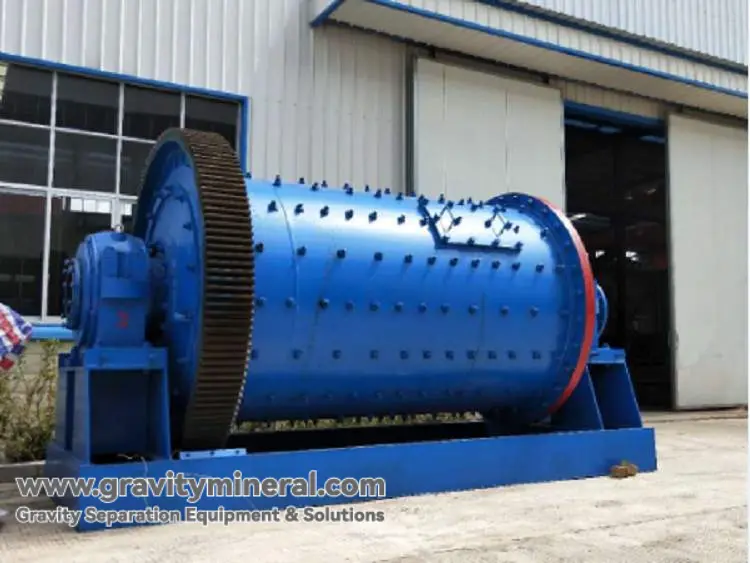
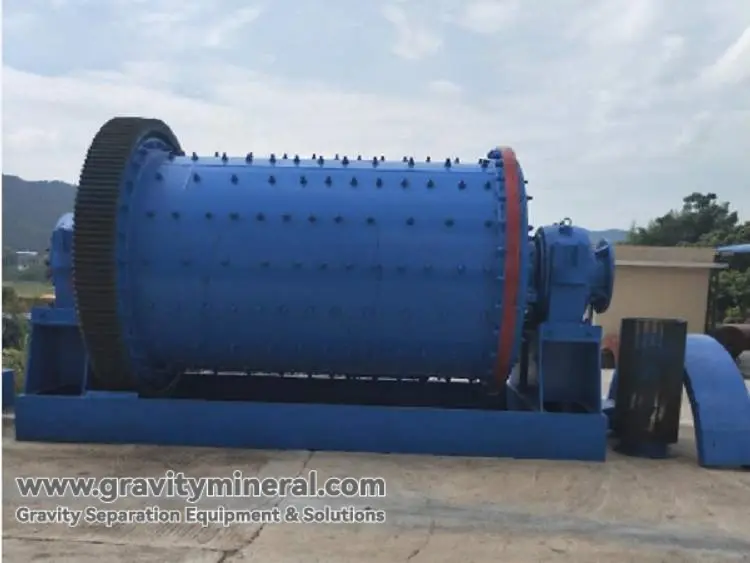
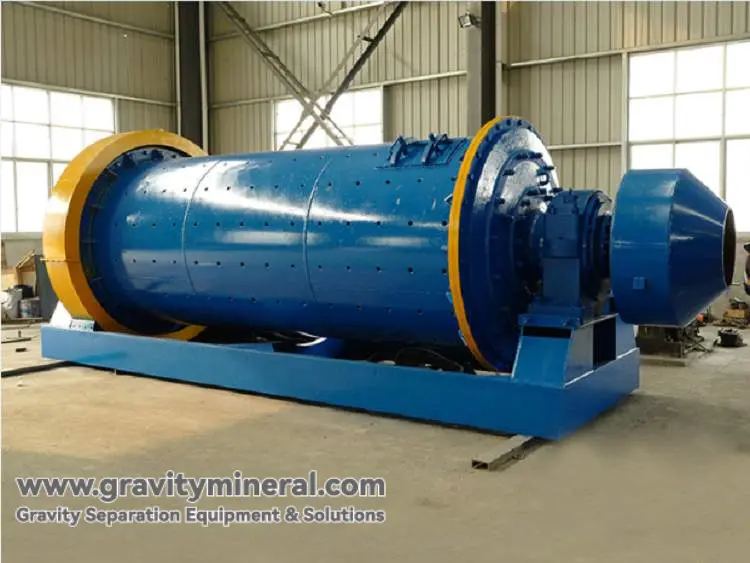
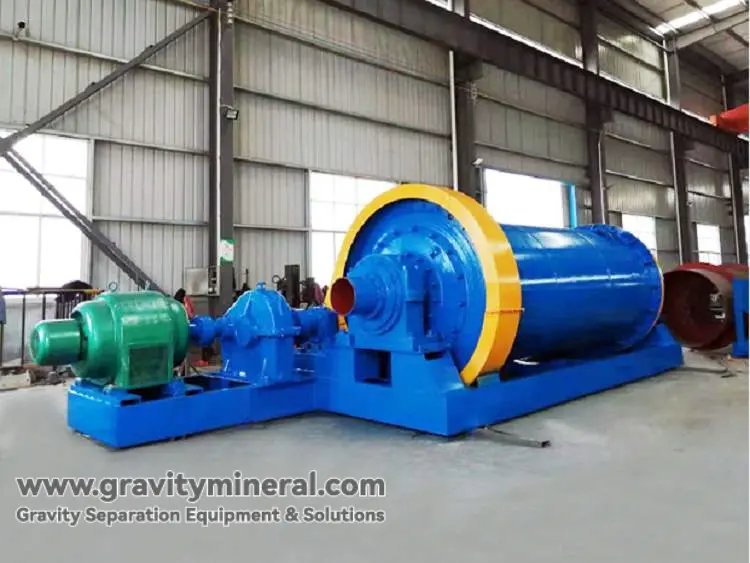
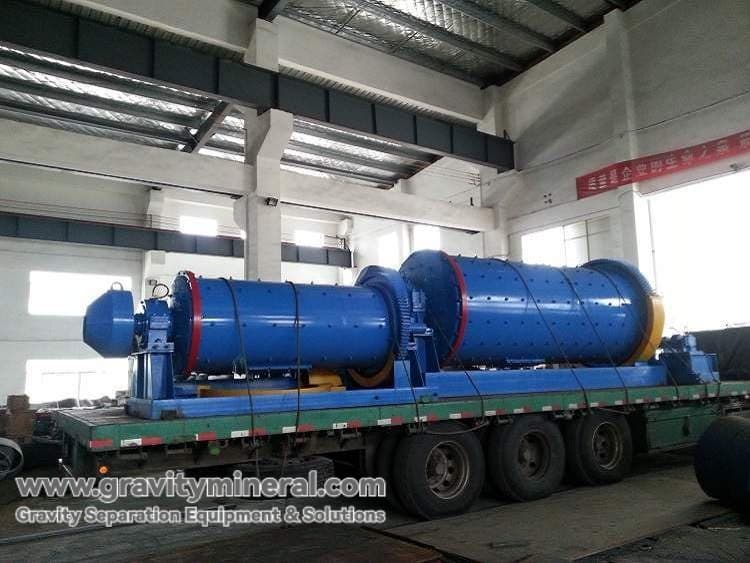
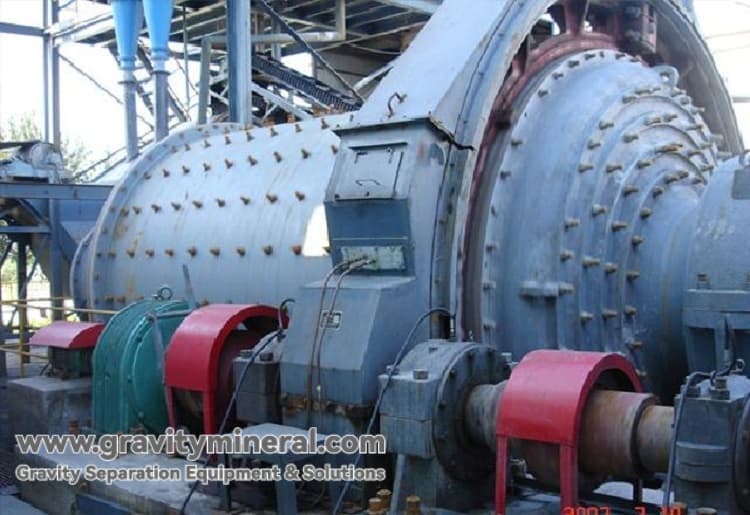
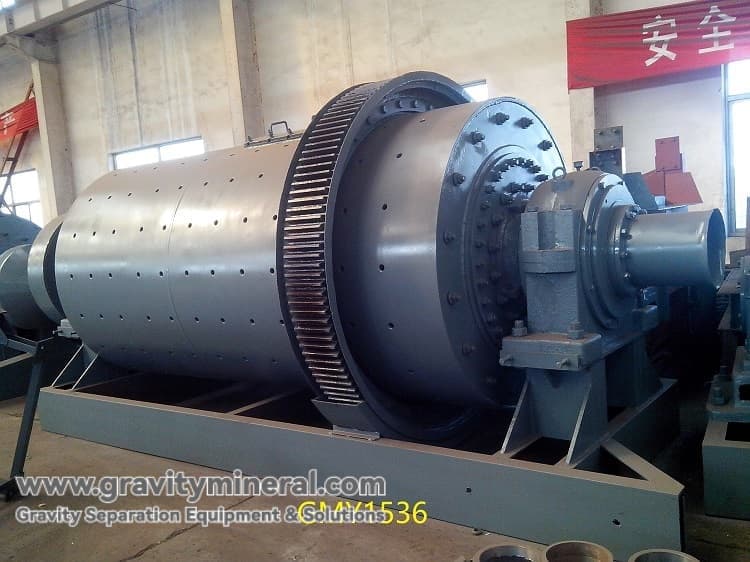
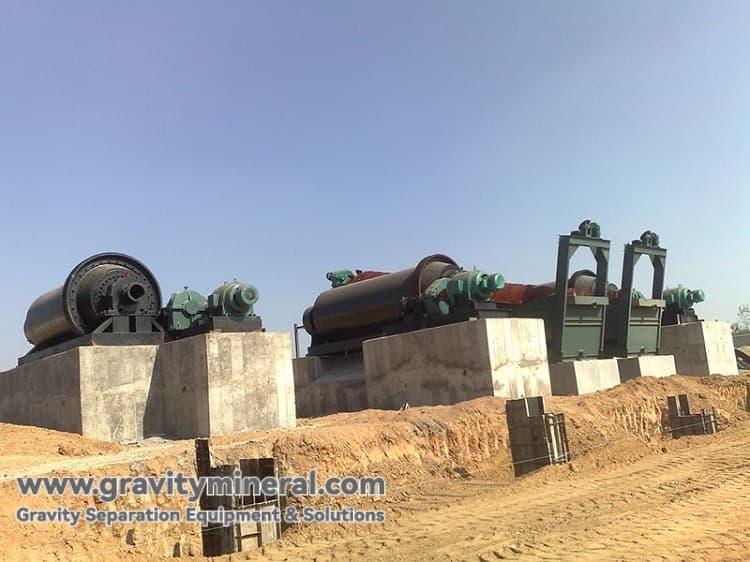
The ball mill is one of the most critical pieces of equipment in hard rock mineral processing. This hard rock ball mill is recognized as a high-performance machine in gold mining and primary tin ore processing, designed specifically to grind crushed ore into fine particles for subsequent mineral separation.
This industrial ball mill is engineered for efficient mineral liberation while preventing overgrinding. It keeps heavy minerals recoverable in downstream gravity separation equipment such as the 6-S shaking table, centrifugal concentrator, and the spiral classifier. In mineral processing flowsheets, it often serves as the core grinding equipment in the rock gold gravity separation plant solution and the wolframite tungsten gravity processing solution.
Designed for mineral processing, this high-efficiency ball mill focuses on durability and continuous operation, delivering a stable and uniform feed size. As an ideal machine for gravity separation circuits, it helps small and medium-sized plants maximize recovery.
How a Ball Mill Works
- Feeding: Ore pre-crushed by a jaw crusher or a hydraulic cone crusher (ideal feed size <25mm) enters the rotating drum uniformly through the hollow trunnion.
- Impact and abrasion: As the heavy drum rotates, the steel balls inside are lifted and then dropped by centrifugal force, crushing hard rock by impact. Continuous rotation makes the balls roll and slide, grinding the ore through abrasion.
- Controlled discharge: The ground slurry is discharged continuously. In a grate-discharge mill, the pulp passes through a slotted grate, so coarse heavy minerals are removed quickly and recovered immediately in the gravity circuit.
Core Advantages of an Industrial Ball Mill
- High grinding efficiency: Optimized steel-ball motion ensures efficient crushing and grinding of hard rock ore while preventing mineral loss.
- Stable operation: Heavy-duty bearings and precision engineering ensure long-term stable operation even in harsh mining environments.
- Lower operating costs: Durable manganese steel liners and optimized energy consumption significantly reduce operating expenses at gravity separation plants.
- Customized design: Wet or dry grinding configurations can be customized according to ore hardness, plant capacity, and specific grinding requirements.
- Anti-overgrinding design: For heavy, brittle minerals such as tin and tungsten, grate discharge quickly releases qualified material, reducing sliming and tailings losses.
Applications in Mineral Processing and Full-Line Support
Our hard rock ball mills are widely used and are key equipment in a variety of mineral processing scenarios:
In a typical flowsheet, the mill serves as the grinding equipment after crushing. Upstream, a jaw crusher and a hydraulic cone crusher perform two- or three-stage crushing; mill discharge feeds a spiral classifier or a high-frequency vibrating screen to form a closed circuit; downstream, a 6-S shaking table, centrifugal concentrator or air-inflated flotation machine can be used for concentration.
Ball Mill Technical Specifications
The following are standard technical specifications for our industrial mill. Mill capacity and dimensions can be customized to specific project requirements.
| Model |
Max feed size (mm) |
Discharge size (mm) |
Capacity (t/h) |
Motor power (kW) |
Weight (t) |
| Ф900×1800 |
≤20 |
0.075-0.89 |
0.65-2 |
18.5 |
5.5 |
| Ф1200×2400 |
≤25 |
0.075-0.89 |
1.5-4.8 |
45 |
12.5 |
| Ф1500×3000 |
≤25 |
0.074-0.4 |
2-5 |
90 |
22 |
| Ф2100×3000 |
≤25 |
0.074-0.4 |
14-36 |
245 |
50 |
| Ф2700×3600 |
≤25 |
0.074-0.4 |
30-90 |
400 |
115 |
From a Single Ball Mill to Full-Line Grinding Support, No Outsourced Responsibility
The grinding efficiency and liberation degree of the mill depend on the matching of feed size, ore hardness, ball charge ratio, liner profile and discharge method. GravityMineral has focused on manufacturing gravity separation and grinding equipment for 20 years, with equipment produced at two in-house manufacturing bases and process and mechanical engineers working on the same team——the drum dimensions, liner material and discharge grate of the unit are set according to process data, derived from the same source as the full-line design drawings, avoiding the problem of “mismatch between grinding equipment and gravity separation / classification circuits”.
- In-house manufacturing bases: Core equipment is produced at GravityMineral's two in-house manufacturing bases, with full quality control from raw material procurement to machining, assembly and no-load test runs; every machine is strictly inspected before leaving the factory.
- ISO9001 quality system: The company is certified to the ISO9001 quality management system, and its products hold qualifications such as S-certified supplier and national high-tech enterprise.
- Full-line interface matching: Mill capacity is calculated in unison with the jaw crusher, hydraulic cone crusher and spiral classifier, reducing blockages and overgrinding.
- Global delivery experience: Our products have been exported to more than 50 countries, and we are familiar with logistics and customs clearance procedures in major markets across Africa, Southeast Asia, South America, the Middle East, Central Asia, South Asia and Australia; a library of 500+ global cases provides references for grinding equipment selection.
- Delivery and after-sales: Engineers provide on-site guidance for installation and commissioning, lead single-machine and linked test runs and train customer personnel; the warranty period is one year, with long-term spare parts and process optimization support.
- Flexible cooperation models: You can purchase equipment alone, commission drawing design only, invite engineers for on-site commissioning only, or choose full-process EPC turnkey delivery, all arranged at your pace and budget.
Ball Mill FAQ: Common Questions Answered
Q1: How much does a ball mill cost? How is the price calculated?
The price depends on drum specifications (Ф900×1800 to Ф2700×3600), motor power and liner material, with a wide capacity range from 0.65 to 90 t/h. Smaller machines are less expensive and larger ones cost more; we recommend providing your mineral, feed size and target capacity so our engineers can issue a transparent quotation.
Q2: What is the difference between a grate ball mill and an overflow ball mill? How do you choose?
The difference lies in the discharge method: a grate-discharge mill quickly releases qualified material through a grate plate for overgrinding prevention, making it suitable for recovering heavy, brittle minerals such as tin and tungsten; an overflow mill discharges slurry naturally over the weir, suiting fine grinding before flotation. Choose grate discharge to prevent sliming in gravity separation, and overflow for fine grinding ahead of flotation.
Q3: Does a ball mill have feed size requirements? What is the optimal feed size?
The ideal feed size is <25mm (≤20mm for the Ф900 model). We recommend two- or three-stage upstream crushing with a jaw crusher and a hydraulic cone crusher to reach the optimal size and maximize efficiency and output.
Q4: How many tons can a ball mill process per hour? How do you select the model?
Capacity is 0.65-90 tons per hour (about 0.65-2 t/h for the Ф900×1800 up to about 30-90 t/h for the Ф2700×3600). Model selection considers ore hardness, feed size, target throughput and grinding fineness; the drum size is chosen according to capacity.
Q5: What grinding fineness can be achieved? How is the discharge size controlled?
The discharge size is about 0.074-0.89mm, and fineness is controlled through the ball charge ratio, grinding time, feed rate and a closed circuit with classification equipment (spiral classifier, high-frequency vibrating screen).
Q6: Can free gold be recovered directly? How is a ball mill configured for gold ore?
The mill itself only liberates gold minerals, but a sawtooth-wave jig or centrifugal concentrator can be installed directly at the discharge outlet to capture coarse free gold before it enters the classifier; see the rock gold gravity separation plant solution.
Q7: Dry grinding versus wet grinding: how to choose? Can it be customized?
We can customize wet or dry configurations according to ore hardness, plant capacity and grinding requirements. Wet grinding is common in gravity separation, magnetic separation and flotation circuits; dry grinding suits water-scarce areas or dry powder operations, with selection verified by engineers against the process.
Q8: How often are liners and grinding balls replaced? How can grinding costs be reduced?
We use durable manganese steel liners and optimized energy consumption design, and service life depends on ore hardness and throughput. A proper ball charge ratio, grate-discharge anti-overgrinding design and timely classifier sand return can significantly reduce grinding costs and losses from overgrinding and sliming.
Q9: Which minerals is a ball mill suitable for? How is it integrated in the flowsheet?
It is suitable for rock gold / quartz vein gold, cassiterite, wolframite, tantalum-niobium, chromite, ilmenite, barite, kaolin and quartz sand, among others. Flowsheet: jaw / cone crusher for coarse and medium crushing → ball mill → spiral classifier in closed circuit → downstream concentration with a 6-S shaking table, centrifugal concentrator or flotation machine.
Q10: Can I send a sample for a grinding test? How are lead time and after-sales supported?
You can send a representative ore sample for a grinding test to determine the optimal ball charge ratio and fineness. Standard equipment manufacturing lead time is 30-60 days, with custom designs taking longer and the delivery schedule stated in the contract; the warranty period is 1 year, with long-term spare parts, technical consulting and process optimization after warranty, on-site commissioning and training by engineers, and exports to more than 50 countries.
Get a Ball Mill Selection Plan and Quote
Tell us your mineral name, feed size, target capacity (tons per hour), target grinding fineness, and site water and power conditions, and GravityMineral engineers will prepare a ball mill selection plan, a grinding and classification flowsheet, and a transparent quotation.
You can reach us through the contact details on our website or speak directly with a sales engineer for selection advice; representative ore samples can be sent for a grinding test.