Twin Roll Crusher | High Pressure Grinding Roll (HPGR) | Energy-Efficient Mineral Comminution Equipment
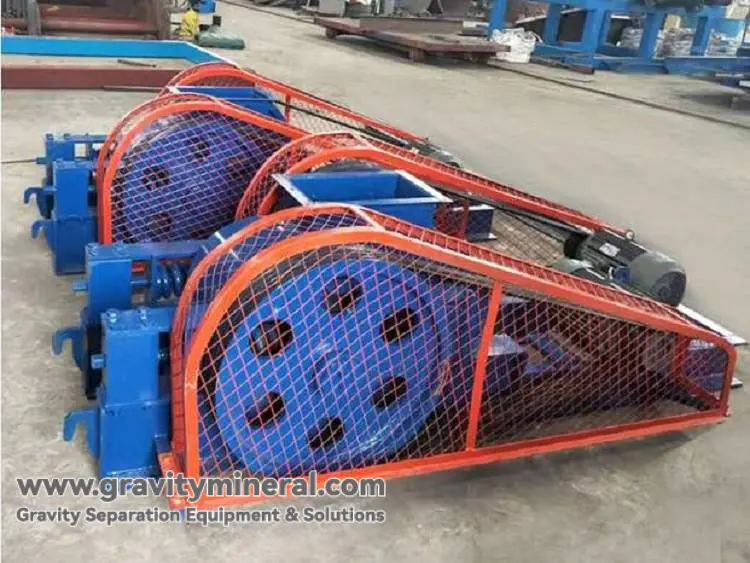
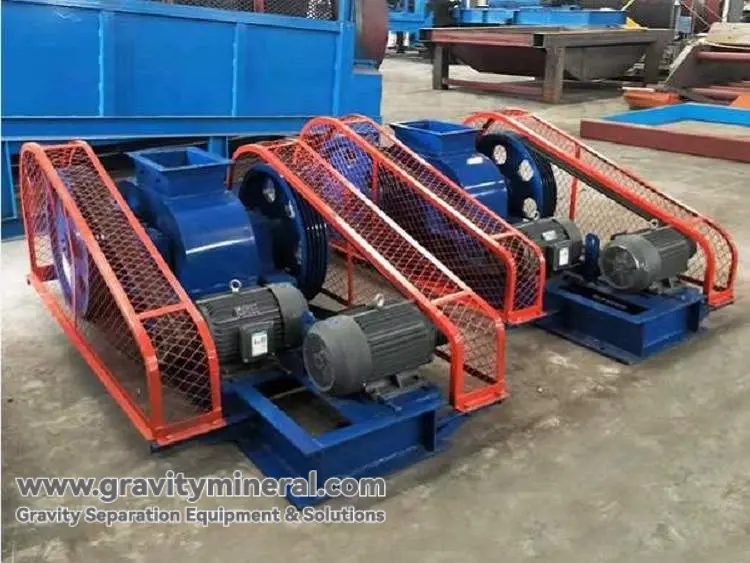
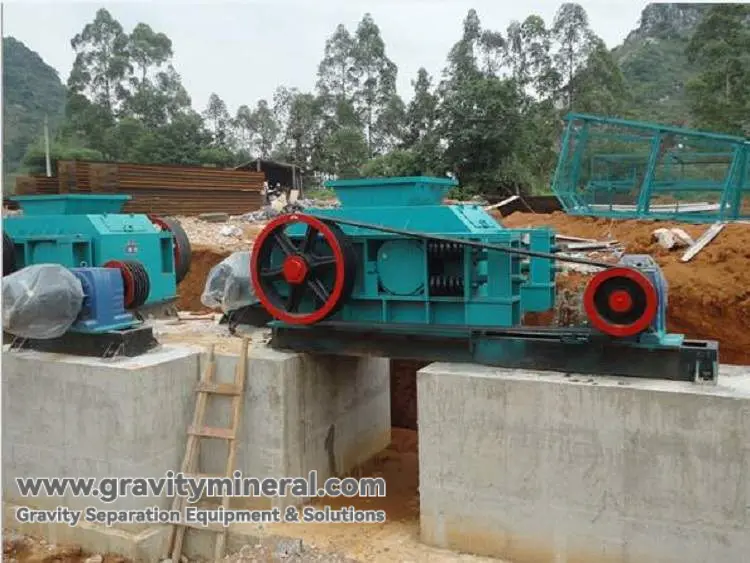
High Pressure Grinding Roll (HPGR) (also known as a high-pressure roll crusher, twin roll crusher, double roll crusher, or high-pressure roller mill) marks a revolutionary advance in energy-efficient mineral comminution. Designed specifically for hard rock and ore, this advanced machine achieves size reduction through interparticle crushing rather than relying solely on the metal surface of the rolls.
By applying extreme hydraulic pressure to a continuous bed of material, a high pressure grinding roll creates numerous microcracks inside the particles. These microcracks significantly weaken ore strength, cutting downstream ball mill energy consumption by 20% to 30% and greatly improving mineral liberation, which creates favorable conditions for subsequent leaching or flotation.
Suitable for processing iron ore, gold ore, copper ore, diamonds and cement clinker, this high pressure grinding roll delivers high throughput, outstanding availability and the lowest operating expenditure (OPEX) in the industry within mineral processing circuits. In beneficiation flowsheets, it commonly serves as the efficient pre-grinding equipment in the hard-rock gold gravity separation plant solution and the chromite gravity-magnetic separation plant solution.
How a High Pressure Grinding Roll Works (Interparticle Crushing)
- Choke feeding: Raw ore is continuously fed at a controlled rate from the top hopper into the gap between two large counter-rotating rolls.
- Hydraulic loading: The fixed roll and the movable roll are connected by heavy hydraulic cylinders, which apply enormous pressure of up to 300 MPa to the movable roll.
- Interparticle breakage: Unlike conventional crushers that squeeze rock with steel plates, a high pressure grinding roll makes rocks crush against one another in a dense material bed, producing a high-density “flake cake” full of microcracks.
- Discharge: The compact cake is discharged from the bottom and usually sent to a de-agglomerator, or fed directly into the grinding circuit, where it breaks apart easily.
Core Advantages of the High Pressure Grinding Roll
- Significant energy saving: It replaces tertiary crushing and greatly reduces mill load, cutting overall crushing energy consumption by 20-30%.
- Microcrack technology: Extreme interparticle pressure creates cracks inside the ore, markedly improving recovery in heap leaching and gravity separation circuits.
- Autogenous wear layer (studded rolls): An advanced studded roll surface is used. During crushing, ore is trapped between tungsten-carbide studs to form a “rock-grinds-rock” protective layer, extending roll steel life by thousands of hours.
- High throughput, compact footprint: Compared with conventional crushers and mills, it delivers outstanding capacity within a remarkably small footprint.
Applications and Complete Circuit Integration
The high pressure grinding roll is reshaping flowsheets across the mining industry:
| Application |
Typical minerals |
Supporting process / production line |
| Gold and copper mining |
Gold ore, copper ore |
Hard-rock gold gravity separation plant solution |
| Iron ore pellet preparation |
Iron concentrate |
Chromite gravity-magnetic separation plant solution |
| Diamond processing |
Diamond-bearing kimberlite |
Diamond beneficiation solutions |
| Cement and non-metallic minerals |
Cement clinker, slag, barite |
Barite gravity separation plant solution |
In a typical flowsheet, the high pressure grinding roll sits after medium/fine crushing and before grinding. Upstream it can be paired with a jaw crusher or hydraulic cone crusher for coarse crushing; the discharged cake is de-agglomerated and fed to a ball mill; downstream a 6-S shaking table or air-inflated flotation machine can be added for separation.
High Pressure Grinding Roll Specifications
We offer an HPGR with advanced studded roll surfaces for hard rock, or with smooth/welded roll surfaces for softer materials. General parameters of our HPGR are listed below.
| Parameter |
Standard roll surface |
Studded roll surface (hard rock) |
| Maximum feed size |
≤ 80 mm |
≤ 110 mm |
| Discharge size |
0.3 - 20 mm |
3 - 30 mm |
| Capacity |
5 - 110 t/h |
10 - 150 t/h |
| Motor power |
7.5 - 132 kW |
11 - 160 kW |
| Suitable materials |
Medium-hard ore / cement clinker |
Hard rock, iron ore, gold ore |
From a Single High Pressure Grinding Roll to Complete Comminution Circuit Integration, We Take Full Responsibility
The crushing performance of the HPGR depends on the match between feed size, ore hardness, roll surface type and hydraulic pressure. GravityMineral has focused on gravity separation and crushing/grinding equipment for 20 years, with equipment produced at two owned manufacturing bases and process and mechanical engineers working on the same team——the roll surface material, hydraulic system and drive configuration of the high pressure grinding roll are set from process data and share the same source drawings as the complete circuit design, avoiding the problem of “pre-grinding equipment not matching the grinding/separation circuit”.
- Own manufacturing bases: Core equipment is produced at GravityMineral's two owned manufacturing bases, with full quality control from raw material purchase through machining, assembly and no-load trial running; every unit has strict inspection records before leaving the factory.
- ISO9001 quality system: The company is ISO9001 certified, and our products hold S-certified supplier, national high-tech enterprise and other qualifications.
- Complete circuit interface matching: The high pressure grinding roll, jaw crusher, hydraulic cone crusher and ball mill are capacity-matched as one system, reducing blockages and capacity mismatches.
- Global delivery experience: Products have been exported to more than 50 countries, with familiarity in logistics and customs clearance across Africa, Southeast Asia, South America, the Middle East, Central Asia, South Asia and Australia; a library of over 500 global cases supports crusher and mill selection.
- Delivery and after-sales: Engineers supervise installation and commissioning on site, lead single-machine and linked trial runs and train customer personnel; 1-year warranty with long-term spare parts and process optimization support.
- Flexible cooperation models: Buy equipment only, commission drawing design only, hire engineers for on-site commissioning only, or hand over the whole project as an EPC turnkey — arranged to your pace and budget.
High Pressure Grinding Roll FAQ
Q1: What is the difference between HPGR and a standard twin roll crusher?
They look similar but work differently: a standard twin roll crusher has a fixed gap and crushes rock directly between the rolls; an HPGR applies extreme pressure of up to 300 MPa to a thick material bed through heavy hydraulic cylinders (choke feeding), making rocks crush against one another (interparticle breakage), which is far more energy-efficient and creates microcracks inside the particles.
Q2: What is the difference between HPGR and a standard twin roll crusher?
They look similar but work differently: a standard twin roll crusher has a fixed gap and crushes rock directly between the rolls; an HPGR applies extreme pressure of up to 300 MPa to a thick material bed through heavy hydraulic cylinders (choke feeding), making rocks crush against one another (interparticle breakage), which is far more energy-efficient and creates microcracks inside the particles.
Q3: How much electricity can a high pressure grinding roll save? Does it really cut ball mill energy use?
It can replace tertiary crushing and greatly reduce mill load, cutting overall crushing energy consumption by 20-30%. The microcracks produced by interparticle breakage significantly weaken ore strength, reducing downstream ball mill energy consumption by 20%-30% and improving mineral liberation.
Q4: How do I choose between studded and standard roll surfaces? Why use studded rolls?
Studded roll surfaces are used for hard rock (feed ≤110 mm, capacity 10-150 t/h); standard/smooth welded roll surfaces suit medium-hard materials and cement clinker (feed ≤80 mm, 5-110 t/h). Studded rolls use ultra-hard tungsten-carbide studs; in operation fine ore fills the gaps between studs to form an "autogenous wear layer" (rock grinding rock), extending roll life by thousands of hours.
Q5: What are the maximum feed size and discharge size?
For the standard roll surface, maximum feed is ≤80 mm and discharge 0.3-20 mm; for the studded roll surface, maximum feed is ≤110 mm and discharge 3-30 mm. Oversized material should be crushed upstream by a jaw crusher or hydraulic cone crusher before entering the HPGR.
Q6: How many tons per hour can it handle? How do I select a model?
Standard roll surfaces handle 5-110 tons per hour and studded surfaces 10-150 tons per hour, with motor power from 7.5 to 160 kW. Select by material hardness, feed size and target discharge size; for higher capacity, run several units in parallel or choose a larger roll diameter.
Q7: Can it improve gold heap leaching and flotation recovery? What is the mechanism?
Yes. Extreme hydraulic pressure creates countless microcracks inside ore particles, allowing cyanide or acidic solutions to penetrate quickly during leaching, shortening leach time and raising total gold and copper recovery. The microcracks also improve mineral liberation, creating favorable conditions for flotation and gravity separation.
Q8: What materials is it suitable for? Iron ore, gold ore, copper ore and cement clinker?
It suits iron ore, gold ore, copper ore, diamond-bearing kimberlite and chromite as well as cement clinker, slag and barite. See the hard-rock gold gravity separation plant solution and diamond beneficiation solutions.
Q9: How is it integrated into the circuit? How is the discharged cake handled?
The HPGR sits after medium/fine crushing and before grinding: upstream a jaw crusher or hydraulic cone crusher performs coarse crushing; the dense "cake" is broken up by a de-agglomerator and fed to a ball mill; downstream a 6-S shaking table or air-inflated flotation machine can be added for separation.
Q10: Can I send a sample for comminution testing? Can it be custom-built? How are lead time and after-sales guaranteed?
You can send a representative ore sample for a comminution test to determine roll surface type and hydraulic parameters, and the roll surface material, hydraulic system and drive configuration can be customized for your material. Standard equipment takes 30-60 days to manufacture with a contractually agreed delivery schedule; the warranty is 1 year, followed by long-term spare parts, technical consultation and process optimization, with engineers providing on-site commissioning and training. We have exported to more than 50 countries.
Get a High Pressure Grinding Roll (HPGR) Selection Plan and Quotation
Tell us your material name, maximum feed size, ore hardness, target capacity (tons per hour) and discharge size requirement. GravityMineral engineers will prepare a high pressure grinding roll selection plan, a crushing and grinding circuit route and a transparent quotation for you.
You can reach us through the contact details on our website or speak directly with a sales engineer for selection advice; representative ore samples can be sent for comminution testing.