







What is the price from a supplier offering a complete set of equipment for a 150 TPD gold ore CIP processing line?
It is difficult to provide a fixed price for a complete set of equipment for a 150TPD gold ore CIP processing line. There are significant variations depending on the properties of the ore, the configuration options, and the pricing criteria of different suppliers.However, the logic behind the price range is clear—by understanding the equipment composition, cost variables, and common quotation pitfalls, you can determine whether a quote is reasonable. This article focuses on the key configuration points, price structure, and supplier selection for a complete 150 TPD gold ore CIP processing line, helping you establish your own framework for evaluation.
Article Overview
First, let\'s clarify three key questions: What components make up a 150TPD CIP processing line? What factors determine price variations? And which details in supplier quotes are often overlooked? Until the properties of the ore are determined, any absolute price figure lacks reference value; however, the methods for evaluation remain universally applicable.
First, the Price Range; Then, the Why
Based on standard pricing criteria for complete sets of primary equipment, the price of a full 150 TPD gold ore CIP processing line generally falls within the range of $400,000 to $650,000.The lower end of this range corresponds to standard configurations, conventional ore types, and typical operating conditions; the upper end corresponds to non-standard customization, complex ore types, special operating conditions, or more comprehensive solutions.
It should be noted that this price range includes only the complete set of main equipment and excludes civil engineering, installation labor, logistics and transportation, and electrical and auxiliary materials.Whether settlement is in RMB or USD, the choice of equipment materials, and the level of automation will all cause the final figure to fluctuate. Therefore, when you see the range of 400,000 to 650,000 USD, do not rush to compare it with other companies; you must first ensure the criteria are aligned.
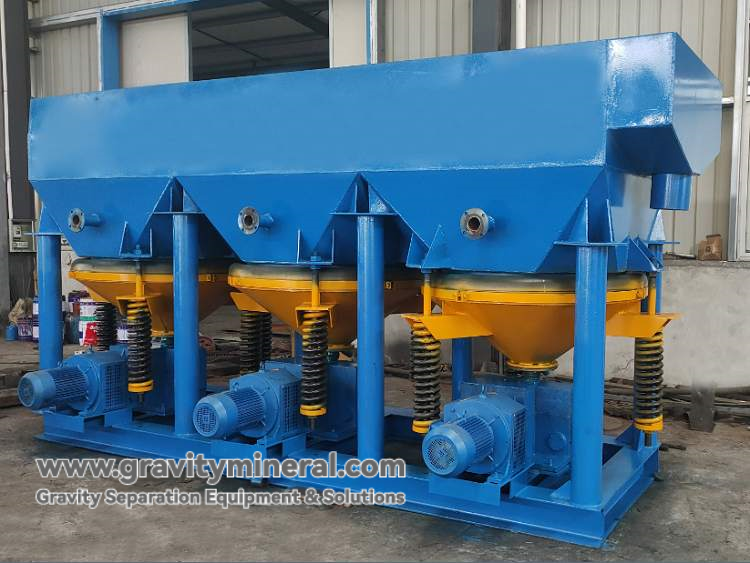
How Is the Equipment Chain Structured for a 150TPD CIP Line?
Before asking “How much does the complete set of equipment cost?”, you must first understand what is included in the “complete set.” A complete set of equipment for a 150 TPD gold mine CIP processing line typically covers the entire process chain from crushing to leaching and electrolysis, with specific configurations varying depending on the properties of the ore.
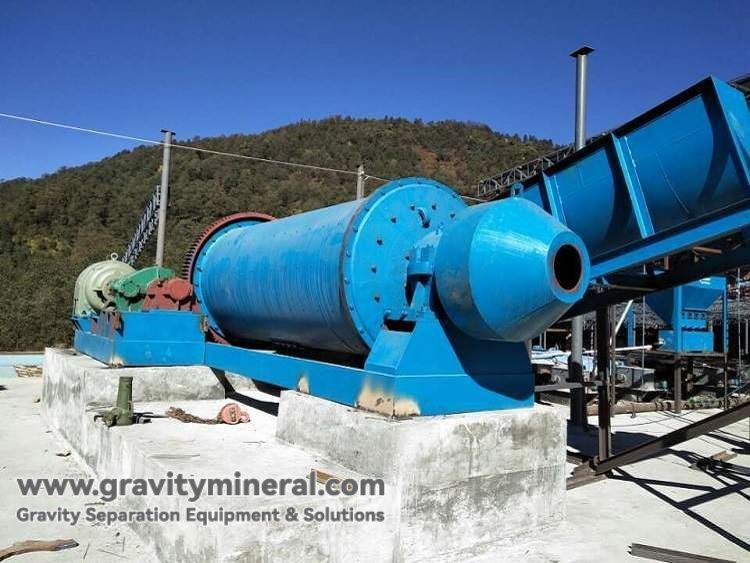
Crushing and Grinding Stage: A jaw crusher handles primary crushing, while a cone crusher or hammer crusher handles secondary crushing; a ball mill paired with a classifier or hydrocyclone completes the grinding process.The grinding fineness must be determined based on the size of the gold particles embedded in the ore; insufficient fineness results in inadequate gold liberation, while excessive fineness leads to wasted grinding costs. This stage is the primary source of power consumption, and the selection of the ball mill directly affects subsequent leaching efficiency.Grid-type ball mills feature forced discharge and high throughput, making them suitable for coarse grinding or the first grinding stage; overflow-type mills rely on the natural flow of the slurry to discharge, achieving a finer grind and are suitable for fine grinding or the second grinding stage. The specific choice depends on the degree of gold liberation.
Leaching and Adsorption Stages: Multiple leaching tanks are connected in series and equipped with agitation devices; leaching time is designed based on the properties of the ore. Adsorption tanks also operate in series, with activated carbon moving in a countercurrent flow between tanks.The effective volume of the leaching and adsorption tanks, as well as the number of units connected in series, are the aspects of the configuration plan that most closely depend on ore testing results. In the CIP process for gold ore, the dual-impeller high-efficiency carbon-in-pulp (CIP) tank—which simultaneously leaches the ore and adsorbs gold using activated carbon—serves as the core equipment for this stage.
Carbon Treatment Section: A vibrating screen separates the slurry from the gold-bearing carbon; a regeneration furnace restores the carbon\'s activity; and the desorption-electrolysis system recovers gold from the gold-bearing carbon. Desorption-electrolysis refers to the process of stripping gold from the gold-bearing carbon into a solution and then recovering it through electrolysis; the thoroughness of this desorption directly affects whether the metal can actually be recovered.This section is often oversimplified in quotations and requires special attention. The carbon-retaining screen prevents activated carbon from being carried away with the slurry, and the carbon lifter lifts and extracts the gold-bearing carbon from the tank—these are small components that are easily omitted from quotations but directly affect carbon consumption and metal recovery.
Auxiliary Systems: Feeders, conveyor belts, thickeners (concentration equipment for counter-current washing), tailings pumps, pump stations, and electrical controls. While individual auxiliary equipment items may seem insignificant, their combined proportion of the total equipment investment is substantial, and it is not uncommon for them to be omitted from quotations.
Table 1: Reference for the Main Equipment Configuration of a 150 TPD CIP Line
| Process Section | Core Equipment | Configuration Key Points |
|---|---|---|
| Crushing | Jaw Crusher + Fine Crusher | Select model based on ore hardness and feed particle size |
| Grinding | Ball Mill + Classification Equipment | Fineness depends on the distribution of gold particles |
| Leaching | Leaching tanks (with agitation) | The number of units in series is matched to the total leaching time |
| Adsorption | Adsorption tank/carbon leaching tank | Charcoal concentration and residence time must be calculated |
| Carbon Treatment | Screening, regeneration, desorption Electrolysis | The desorption method affects recovery efficiency |
| Auxiliary | Thickener, pumps, electrical systems | Often Omitted from Quotations |
This table provides a configuration framework, not a standard answer. Ore with high slime content requires a larger thickener, while ore with high sulfide or carbon content may require a pretreatment step. Any change in the configuration will naturally affect the price of this 150 TPD CIP production line.
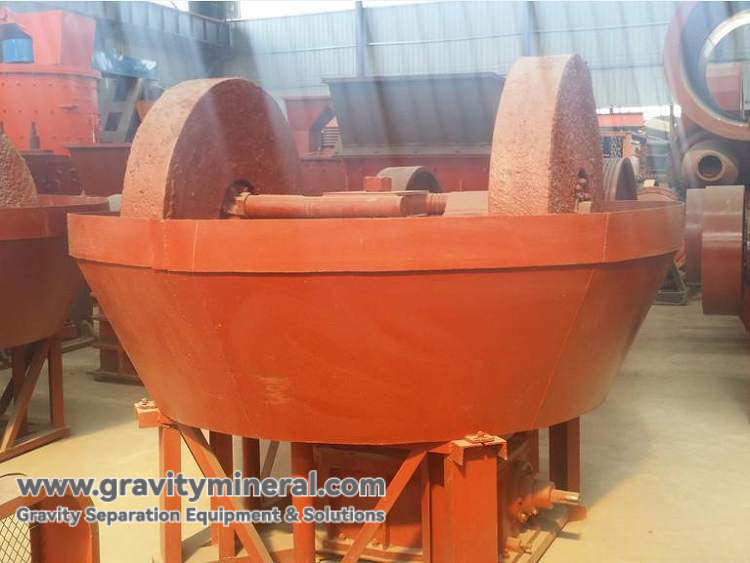
$400,000 to $650,000: What\'s the Difference?
For a complete set of equipment for a 150TPD gold ore CIP processing line, quotes can vary by as much as $250,000. The reasons for this primarily lie in several factors.
The nature of the ore determines the complexity of the configuration. Conventional oxidized ores follow a standard process with a relatively simple configuration, resulting in a quote closer to the lower end of the range. Difficult-to-process gold ores containing arsenic or carbon may require additional pretreatment steps or specialized chemical systems, and the configurations for the leaching and carbon treatment stages must be recalculated, naturally pushing the quote toward the upper end of the range.If the ore has a high clay content, the thickener and desliming stages must be scaled up—needs that standard configurations cannot accommodate.
Material selection. Since leaching and adsorption tanks come into contact with sodium cyanide solution, there is a significant cost difference between carbon steel with an anti-corrosion coating and stainless steel. The former requires a lower initial investment but involves more frequent maintenance; the latter carries a higher price tag but offers a longer service life.When the ore is highly abrasive, upgrading flow-through components to high-chromium alloy or wear-resistant rubber will also drive up equipment costs. This calculation must be based on the full lifecycle; one cannot focus solely on the purchase price.
Level of Automation. There is a significant price difference between manual operation and automated control via a PLC (Programmable Logic Controller) combined with online monitoring. Since sodium cyanide is a highly toxic chemical, automating the dosing process is not merely a matter of efficiency but a safety requirement. Cutting corners in this area shifts the risk to the production site.
Quotation Scope. Directly comparing three different pricing scopes—factory price, delivered-to-plant price, and turnkey price (including installation and commissioning)—will lead to erroneous conclusions. The range of $400,000 to $650,000 refers to the main equipment package and does not include civil engineering, installation labor, logistics, or electrical accessories.Before requesting a quote, confirm which price category the supplier is quoting; otherwise, comparing Company A\'s price for main equipment with Company B\'s turnkey price will yield incorrect results.
Details Easily Overlooked in Quotations
It is a reality that pricing in this industry lacks transparency. Even when both quotes refer to “complete sets of equipment,” the actual scope behind them can vary significantly. The following points are worth verifying one by one.
Does the production capacity match the leaching time? If the nominal daily processing capacity is 150 metric tons but the leaching tank volume is designed for a relatively short leaching time, recovery efficiency will be compromised. Be sure to clarify the designed leaching time and the carbon residence time in the adsorption tank.
Are the brands and materials of key components specified? Without clear details on the agitator reducer, ball mill liners, and activated carbon source, comparing total prices is meaningless.
Check whether the desorption process has been oversimplified. There is a significant difference in effectiveness between high-temperature, high-pressure desorption and simple room-temperature desorption. High-temperature desorption offers higher processing efficiency and more thorough desorption, making it suitable for larger-scale operations or ores that are difficult to desorb; room-temperature desorption is suitable for routine processing. If desorption is incomplete, gold will remain trapped in the carbon, causing a discrepancy between the reported recovery rate and actual revenue.
Once these three points have been verified, you can essentially filter out most of the inflated costs in the quotation. The solution is straightforward: require suppliers to provide itemized quotes, listing the specifications, materials, brands, and quantities for each unit. Comparing the itemized lists from several suppliers side-by-side is far more effective than focusing solely on the total price.
For a 150TPD CIP system, first determine whether the ore is suitable
Scale is not the sole criterion; the nature of the ore is the primary factor.
For ore with a high degree of oxidation, moderate clay content, and fine-grained gold distribution, the CIP process is relatively suitable, offering stable performance indicators and a simpler process compared to flotation combined with cyanidation.The selection of processing methods for gold ore involves specific considerations: coarse-grained free gold can be recovered in advance via gravity separation; gold encapsulated in sulfide ores is typically processed via flotation; and fine-grained oxidized ore or flotation tailings are suitable for cyanide leaching. The decision to implement CIP should be based on the ore\'s oxidation rate and the distribution of gold particles.
Caution is warranted for ores with high sulfide or carbon content—carbon can adsorb gold-cyanide complexes, leading to “gold scavenging.” Such ores require pretreatment or consideration of alternative processing routes.In arsenic-bearing gold ores, sulfides such as arsenopyrite consume large amounts of cyanide and form a passivation film on the surface; direct cyanidation often yields poor recovery results. In carbon-bearing gold ores, active organic carbon acts like activated carbon to re-adsorb dissolved gold.For these difficult-to-process gold ores, viable approaches include roasting, biooxidation, pressurized oxidation, or conducting tests to identify specialized reagents that can passivate the “gold leaching” effect. The specific route to be chosen must be determined by ore test results and cannot be decided based on experience alone.
A 150 t/d gold concentrator once operated in the Guan Zhuang Gold Mining Area in Huaihua, Hunan Province, using a flotation process. The raw ore grade was approximately 6.5 g/t, and the flotation recovery rate was around 87%.This case demonstrates that a 150 t/d scale does indeed have a practical operational foundation among domestic gold ore processing plants; however, since this plant used flotation rather than CIP, the process routes differ, and performance metrics cannot be directly compared. The key point is that the nature of the ore determines the process flow, not the scale.
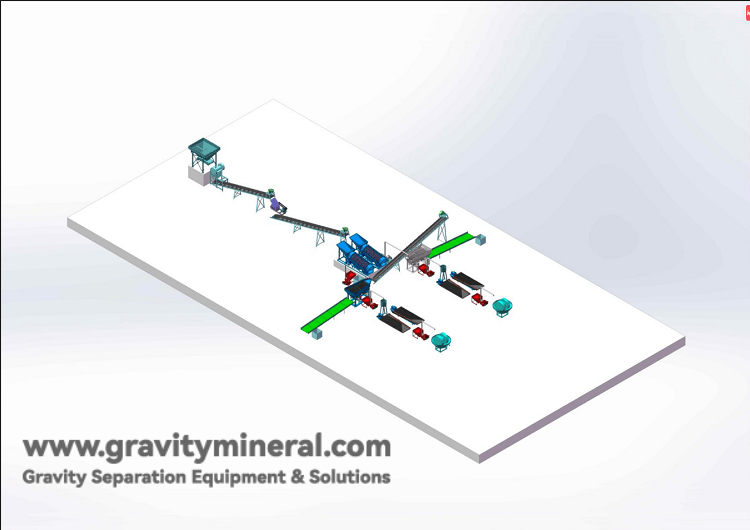
Choosing a Supplier Is More Critical Than Price
The final quality of a complete 150TPD gold CIP processing line depends on the supplier\'s execution capabilities, not just the quoted price. Even with identical quotes, differing execution capabilities can result in significant variations in long-term costs.
Examine case studies of similar scale. Suppliers with experience in 150 TPD projects understand which stages are prone to issues and will not determine the configuration arbitrarily.
Check for supporting test data. If a supplier skips testing and jumps straight to a configuration proposal, parameters such as leaching time, carbon concentration, and reagent consumption per unit will be based on estimates, resulting in high implementation risks. Suppliers with testing capabilities can first determine the ore\'s grain size distribution, associated elements, and oxidation rate, and then use this information to finalize the process flow and equipment selection.
Check whether the process and equipment are well-integrated. Suppliers that handle both process design and equipment manufacturing have mechanical engineers who understand both upstream slurry flow rates and downstream separation requirements, thereby avoiding misalignment issues such as “the design institute\'s drawings not being accepted by the equipment manufacturer, or the equipment manufacturer\'s requirements not being incorporated by the design institute.”If equipment is pieced together from various sources on the market, the risks of interface conflicts and mismatched production capacity ultimately fall on the mining company.
Assess after-sales response capabilities. Once a CIP line shuts down, handling the slurry in the tanks becomes problematic; the speed of response directly affects the extent of losses. The value of this factor often exceeds the minor differences in quoted prices.
Preparing for a Tailored Quote
Simply asking “How much does it cost?” rarely yields a useful answer. You must prepare three types of information in advance: ore properties (gold grade, oxidation rate, clay content, sulfur and carbon content), site conditions (water, electricity, and transportation), and budget range.Only by communicating with this information in hand can suppliers provide tailored configurations and quotes, and only then will the prices for a complete set of equipment for a 150 TPD gold CIP processing line be truly comparable.
$400,000 to $650,000 is a general reference range for the complete set of main equipment; for specific projects, this must be refined based on ore characteristics, process routes, and on-site conditions.If you would like to learn more about equipment configuration and selection criteria, please submit your requirements to receive detailed technical documentation. If you are unsure whether your ore is suitable for the CIP process, please send us your ore data, and we will provide configuration recommendations based on test results.